
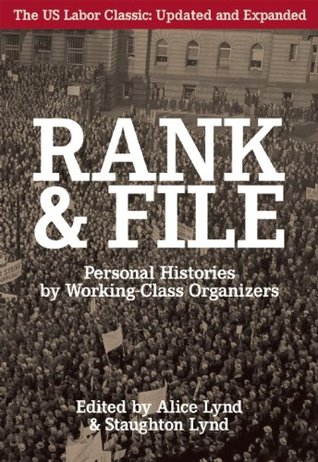
by
Alice Lynd,
Staughton Lynd
(editors)
ix
In the early 1970s, the real wages of working people in the United States began to decline. By the late 1980s, workers' movements were on the defensive. Concessionary contracts surrendered hard-won gains. Employers pushed "jointness," the "team concept," "quality circles," and other forms of labor-management cooperation, to co-opt workers and to weaken the union as an exclusive mechanism for problem solving in the workplace. Collective bargaining agreements tended to become "living agreements," subject to perpetual modification by small groups of company and union negotiators. Even for companies not in financial difficulty, concession bargaining became the norm. Ten- and twelve-hour shifts became commonplace as management sought to operate expensive equipment continuously. Two- and three-tier wage schemes weakened solidarity by giving incumbent workers more than the younger workers coming into the shop. Multinational corporations could make more profit by "disinvesting" from traditional industries like steel, so plants closed and destroyed whole communities. As labor's defeats multiplied, so too did the disappointment and disaffection of union members.
In the early 1970s, the real wages of working people in the United States began to decline. By the late 1980s, workers' movements were on the defensive. Concessionary contracts surrendered hard-won gains. Employers pushed "jointness," the "team concept," "quality circles," and other forms of labor-management cooperation, to co-opt workers and to weaken the union as an exclusive mechanism for problem solving in the workplace. Collective bargaining agreements tended to become "living agreements," subject to perpetual modification by small groups of company and union negotiators. Even for companies not in financial difficulty, concession bargaining became the norm. Ten- and twelve-hour shifts became commonplace as management sought to operate expensive equipment continuously. Two- and three-tier wage schemes weakened solidarity by giving incumbent workers more than the younger workers coming into the shop. Multinational corporations could make more profit by "disinvesting" from traditional industries like steel, so plants closed and destroyed whole communities. As labor's defeats multiplied, so too did the disappointment and disaffection of union members.
6
Again, it is often said, ''American workers do not develop radical ideas on the basis of their own experience, but only if influenced by middle-class intellectuals or foreigners." This book challenges that belief. A few of these organizers inherited their outlook on the world from their parents. Most did not. Moving through a variety of frustrating and demeaning jobs, finding themselves involved in struggles often not of their own making, rethinking what they had taken for granted, the contributors to this book developed their ideas on the basis of what they saw and did, felt and tried.
Again, it is often said, ''American workers do not develop radical ideas on the basis of their own experience, but only if influenced by middle-class intellectuals or foreigners." This book challenges that belief. A few of these organizers inherited their outlook on the world from their parents. Most did not. Moving through a variety of frustrating and demeaning jobs, finding themselves involved in struggles often not of their own making, rethinking what they had taken for granted, the contributors to this book developed their ideas on the basis of what they saw and did, felt and tried.
18
So the armed caravan in broken down jalopies left our town and headed towards a nearby town where scabs worked the mine. When they arrived at the mine they found the entrance to the mine guarded by southern white women and teenagers armed with shotguns and rifles.
Instead of shooting it out right there on the spot, the union leaders wisely put their guns on the ground and approached the women and youth with outstretched hands. A spokesman said, "We mean you no harm. We don't want to shoot you. We know your men are working for low wages but in doing so they do harm to you and to us. Our children are hungry. All we want is for your men to come out with us. If we all stick together all of us will gain. Our children won't go hungry and neither will yours. We want you in our union so that together we can improve our wages.''
The women and youths listened, put down their guns and allowed a delegation of union miners to go into the mine and talk to the men who were scabbing. The delegation succeeded in getting the men to come out. Then the southerners who had been scabbing joined the caravan and they went from one scab-operated mine to another, only now it was white southerners who acted as spokesmen and convinced the others to come out. In one day the companies were defeated-no one scabbed and the strike was settled and the enmity between southern whites and the immigrants gradually wore itself out.
So the armed caravan in broken down jalopies left our town and headed towards a nearby town where scabs worked the mine. When they arrived at the mine they found the entrance to the mine guarded by southern white women and teenagers armed with shotguns and rifles.
Instead of shooting it out right there on the spot, the union leaders wisely put their guns on the ground and approached the women and youth with outstretched hands. A spokesman said, "We mean you no harm. We don't want to shoot you. We know your men are working for low wages but in doing so they do harm to you and to us. Our children are hungry. All we want is for your men to come out with us. If we all stick together all of us will gain. Our children won't go hungry and neither will yours. We want you in our union so that together we can improve our wages.''
The women and youths listened, put down their guns and allowed a delegation of union miners to go into the mine and talk to the men who were scabbing. The delegation succeeded in getting the men to come out. Then the southerners who had been scabbing joined the caravan and they went from one scab-operated mine to another, only now it was white southerners who acted as spokesmen and convinced the others to come out. In one day the companies were defeated-no one scabbed and the strike was settled and the enmity between southern whites and the immigrants gradually wore itself out.
27
I tried to go up to the house. So one of the detectives jumped up on the steps of the house with a sawed-off machine gun and he says, "The first son-of-a-bitch that sets foot on these stairs is going to have his head shot off.''
Well, you can't let that go unchallenged! So I stepped forward, and behind me comes a young white man, and behind him comes a black man and his wife. And the four of us marched up, right in the face of the sawed-off gun.
When we four went on the stairs the people came out of their houses. They came swarming out and they surrounded the police. And the detective didn't dare kill us. He just held his gun uselessly in his hand. The four of us stood triumphantly up at the top of the stairs and were kicking on the door.
And then the chief, or whoever was in charge, said, "Now look. We've arrested hundreds of people here today. The hell with it." He took off his hat. He said, "Take up a collection. Whatever we collect, that's going to be the rent." They took up a collection among all the policemen and everybody who was there.
<3
I tried to go up to the house. So one of the detectives jumped up on the steps of the house with a sawed-off machine gun and he says, "The first son-of-a-bitch that sets foot on these stairs is going to have his head shot off.''
Well, you can't let that go unchallenged! So I stepped forward, and behind me comes a young white man, and behind him comes a black man and his wife. And the four of us marched up, right in the face of the sawed-off gun.
When we four went on the stairs the people came out of their houses. They came swarming out and they surrounded the police. And the detective didn't dare kill us. He just held his gun uselessly in his hand. The four of us stood triumphantly up at the top of the stairs and were kicking on the door.
And then the chief, or whoever was in charge, said, "Now look. We've arrested hundreds of people here today. The hell with it." He took off his hat. He said, "Take up a collection. Whatever we collect, that's going to be the rent." They took up a collection among all the policemen and everybody who was there.
<3
31
I have to tell you about the Sears, Roebuck sales. Let's say, Farmer Smith's farm is up for sale and he has 200 or 300 acres of land. He has a tractor, he has a couple of horses, he has cows, he has a wagon, he has a buggy, maybe he has a car, he has furniture, all the different implements. Everything is brought out.
All the neighbors from miles around gather. The auctioneer gets up and he says, "What am I offered for this first-rate Jersey cow?" "Ten cents!" "Does anybody raise the price? Ten cents offered, ten cents, ten cents, ten cents." Nobody offers more than ten cents. "This first-class Jersey cow is sold for ten cents."
"What am I offered for this tractor?" "Fifteen cents."
"What am I offered for this stove?" "Five cents."
"What am I offered for this. . .?"
And then they would get the bills of sale from the auctioneer and everybody would tum back these bills of sale to the farmer and help him put back all his stuff.
The farmers, without anybody telling them how to organize, knew how to organize. [...]
I have to tell you about the Sears, Roebuck sales. Let's say, Farmer Smith's farm is up for sale and he has 200 or 300 acres of land. He has a tractor, he has a couple of horses, he has cows, he has a wagon, he has a buggy, maybe he has a car, he has furniture, all the different implements. Everything is brought out.
All the neighbors from miles around gather. The auctioneer gets up and he says, "What am I offered for this first-rate Jersey cow?" "Ten cents!" "Does anybody raise the price? Ten cents offered, ten cents, ten cents, ten cents." Nobody offers more than ten cents. "This first-class Jersey cow is sold for ten cents."
"What am I offered for this tractor?" "Fifteen cents."
"What am I offered for this stove?" "Five cents."
"What am I offered for this. . .?"
And then they would get the bills of sale from the auctioneer and everybody would tum back these bills of sale to the farmer and help him put back all his stuff.
The farmers, without anybody telling them how to organize, knew how to organize. [...]
58
When the strike was called, it was reported that the editors of the three Detroit metropolitan newspapers had met and agreed that there would be no publicity given to the strike. And there was no publicity for the first three or four days. Following that there were a few headlines branding the strike as Communist-inspired and led. These headlines were of a nature that would antagonize public opinion. I, as chairman of the publicity committee, met with the city editor of the Detroit Times. With me were two other members of the committee. We had no experience at publicity work and had pre-pared no statement for the press. We were not successful in getting any favorable publicity for the strike.
You must be logged in to see this comment.
When the strike was called, it was reported that the editors of the three Detroit metropolitan newspapers had met and agreed that there would be no publicity given to the strike. And there was no publicity for the first three or four days. Following that there were a few headlines branding the strike as Communist-inspired and led. These headlines were of a nature that would antagonize public opinion. I, as chairman of the publicity committee, met with the city editor of the Detroit Times. With me were two other members of the committee. We had no experience at publicity work and had pre-pared no statement for the press. We were not successful in getting any favorable publicity for the strike.
You must be logged in to see this comment.
62
Soon after the busting up of the picket lines, I was walking from the 1ww hall and kitchen toward the plant. The Highland Park police picked me up and took me to police headquarters. I was brought before the chief of police, Dan Patch. He seemed a kindly man who was sympathetic to the workers on strike. He said he had attended some of the mass meetings and that I had a strong influence over my audience. After hearing me speak he was of the opinion that I was a potentially dangerous man. When he said the strike was instigated by Communists I asked him, "Was the Boston police strike of 1920 led by Communists?" He made no reply.
lol
Soon after the busting up of the picket lines, I was walking from the 1ww hall and kitchen toward the plant. The Highland Park police picked me up and took me to police headquarters. I was brought before the chief of police, Dan Patch. He seemed a kindly man who was sympathetic to the workers on strike. He said he had attended some of the mass meetings and that I had a strong influence over my audience. After hearing me speak he was of the opinion that I was a potentially dangerous man. When he said the strike was instigated by Communists I asked him, "Was the Boston police strike of 1920 led by Communists?" He made no reply.
lol
64
The number of pickets had declined to about two hundred at the Warren entrance of the Mack plant. One afternoon while the pickets were walking there, nuts, bolts and other metal objects were thrown from the upper floors on to the heads of the pickets. They picked up these objects and started throwing them back where they came from, breaking the windows.
As if they had been assembled for that purpose, several hundred Detroit policemen moved against the pickets and the spectators on the sidewalk. I was standing a half block from the plant. Soon I, like everyone in the area, was blinded and choking from tear gas. We hurled some of the tear gas bombs back at the police but the outnumbered pickets and their sympathizers were soon on the run. I saw shots being fired at the strikers as they fled from the scene although I don't believe any live ammunition was used at the time. Some strikers were injured by the policemen's clubs.
The number of pickets had declined to about two hundred at the Warren entrance of the Mack plant. One afternoon while the pickets were walking there, nuts, bolts and other metal objects were thrown from the upper floors on to the heads of the pickets. They picked up these objects and started throwing them back where they came from, breaking the windows.
As if they had been assembled for that purpose, several hundred Detroit policemen moved against the pickets and the spectators on the sidewalk. I was standing a half block from the plant. Soon I, like everyone in the area, was blinded and choking from tear gas. We hurled some of the tear gas bombs back at the police but the outnumbered pickets and their sympathizers were soon on the run. I saw shots being fired at the strikers as they fled from the scene although I don't believe any live ammunition was used at the time. Some strikers were injured by the policemen's clubs.
65
Equally important as the economic gains was the educational development of the workers. Willing slaves became rebellious men and women. An understanding of the economic power of the workers was impressed on the minds of most of us who took an active part in the strike. Several leaders of the strike were to become organizers of the UAW-CIO.
I had no radical ideas when the Briggs strike began. But we learned that it was only the radical parties that were on our side. The left-wing groups, the Communists, Socialists, the IWW and other groups of the left, were the inspiration and the leaders of strikes. The Republican and Democratic Parties and their official representatives in state and local government were on the side of the company. My joining the Socialist Party put me in contact with young people my own age who wanted to do something about changing society. It was in the SP that I was to meet May Wolf, Roy, Victor and Walter Reuther as well as several other socially-minded workers. My experience in the strike made me aware of the political and philosophical differences dividing worker organizations. I saw enough of the CP and its leadership in action so that I never became identified with it. The strike also brought me in contact with Frank Cedervall and the 1ww which I joined some months later.
Equally important as the economic gains was the educational development of the workers. Willing slaves became rebellious men and women. An understanding of the economic power of the workers was impressed on the minds of most of us who took an active part in the strike. Several leaders of the strike were to become organizers of the UAW-CIO.
I had no radical ideas when the Briggs strike began. But we learned that it was only the radical parties that were on our side. The left-wing groups, the Communists, Socialists, the IWW and other groups of the left, were the inspiration and the leaders of strikes. The Republican and Democratic Parties and their official representatives in state and local government were on the side of the company. My joining the Socialist Party put me in contact with young people my own age who wanted to do something about changing society. It was in the SP that I was to meet May Wolf, Roy, Victor and Walter Reuther as well as several other socially-minded workers. My experience in the strike made me aware of the political and philosophical differences dividing worker organizations. I saw enough of the CP and its leadership in action so that I never became identified with it. The strike also brought me in contact with Frank Cedervall and the 1ww which I joined some months later.
79
The checker would come around with the stop watch. You learned to wrap a package of bacon using a lot of extra motions because it was a time study thing. When he wasn't there we eliminated all those motions and did it simply. This was done everywhere-sausage, wrap and tie, bacon, everywhere. (It's all done by machine now.) There is always a faster way to do something, a simpler way where you save energy and time. The older women, in terms of experience, would show the new women. It was a tremendous relationship of solidarity. But they weren't about to join the union. They weren't about to put out a buck a month in union dues.
lol
The checker would come around with the stop watch. You learned to wrap a package of bacon using a lot of extra motions because it was a time study thing. When he wasn't there we eliminated all those motions and did it simply. This was done everywhere-sausage, wrap and tie, bacon, everywhere. (It's all done by machine now.) There is always a faster way to do something, a simpler way where you save energy and time. The older women, in terms of experience, would show the new women. It was a tremendous relationship of solidarity. But they weren't about to join the union. They weren't about to put out a buck a month in union dues.
lol