
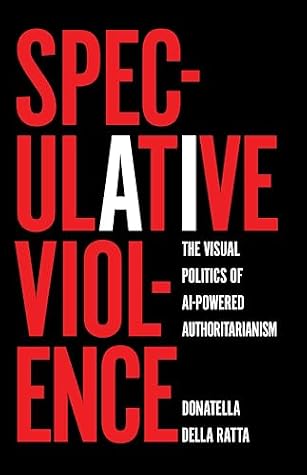
This is not to suggest that generative AI caused the 20-Point Gaza Peace Plan, nor that images automatically translate into policy. But these images are not just images, and should not be read as such. In a highly visual culture, such frames operate as performative blueprints: They prepare the imagination for what is to come. By aestheticizing postwar devastation and cloaking forced displacement in the language of reconstruction and prosperity, they enact violence in advance while, at the same time, rendering it invisible and recoding it as a necessary precondition for progress. They sculpt a “happy ending” directly into the image of the future, while omitting the unbearable violence and dispossession that make such an ending possible.
In this sense, speculative violence operates as a conduit between vision and action. What begins as fiction can migrate into policy; what first appears as fantasy or speculation can later function as an operational horizon. These images do not simply depict a possible future; they prototype it. They work to soften cognitive, affective, and moral resistance, making certain outcomes more readily accepted once they are proposed in institutional or bureaucratic form.
The images’ power lies in operating at the level of what Walter Benjamin once described as the “optical unconscious”—a mode of perception shaped beneath conscious awareness.55 Through repetition and visual familiarity, they train the collective eye to ingest and digest aesthetically what may be enacted materially in the future. Vis- ualization alone becomes a force of normalization and acceptance, gradually granting such violent forms of speculation consent and, eventually, belief.