
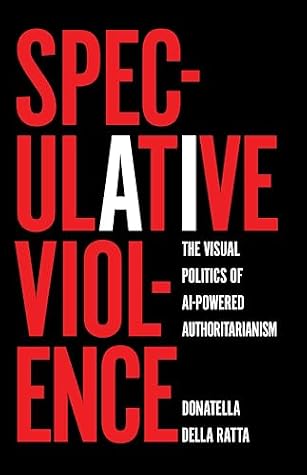
As longtime tech analyst and critic Gil Duran has argued, the appeal of the “disruption” idea among prominent Silicon Valley entrepreneurs stems in part from what he describes as the “built-in existentialism of the venture capital model.” Risk is not an exception within venture capital but its defining condition. Unlike other types of investments that are more oriented toward long-term, incremental growth, venture capital thrives on highly volatile bets that promise extraordinary returns if they succeed. Because of this internal logic, venture capital is structurally disruptive. Its profitability depends on destabilizing or collapsing existing systems in order to replace them with new ones designed for rapid scaling and extraction. Far from being a mere rhetorical posture or cultural attitude, disruption functions as the economic engine of the model itself, operating its “dreamwork” in a permanent state of anticipation and co-optation of the future.