
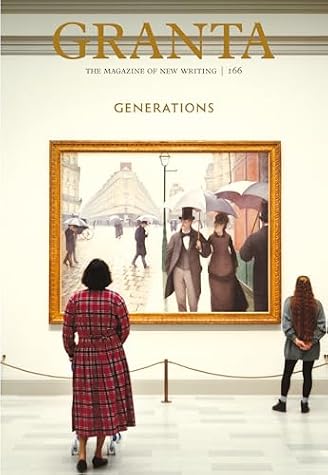
by
Granta
hat does it mean to be a ‘millennial’ today? The generation born in the West between 1981 and 1996, first baptized with a semi-official term in 1991, has been routinely castigated as moralistic, incorrigibly literalist, and intolerant of ambiguity, in contrast to the allegedly post-ironic cohort of zoomers and the self-ironizing individualists of Generation X. Culturally, the differences are not hard to spot. While millennials grew up with the internet and observed its early evolutionary travails, zoomers seem blissfully born into it; while millennials publicly enlisted in generational battles (Occupy, the Great Wall of Gammon, etc.), Generation X had been conditioned to abjure any collective endeavor altogether; while boomers could live off the fruits of the trente glorieuses, millennials surfed on the artificial waves of the credit boom until the hammer fell on them after the 2008 crash.
Compared to other cohorts, millennials appear trapped: they enjoy neither the effortless asubjectivity of Generation Z, nor the historical arrogance of the baby boomer. Born with the promise of globalization in the 1990s, which liberated the planetary flow of goods and information and augured a new civil society, the post-1981 age group entered the new century with hopes that could hardly be met.