
by
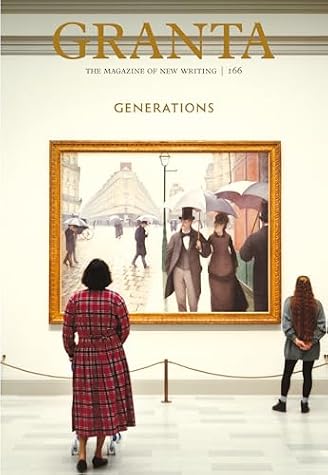
Granta
Time is meaningful – think of it that way. Generations define us, perhaps not as strongly as other identities – class, religion, gender, profession, politics, nation – but in ways that may be among the most fixed. ‘He tore me away from my generation, but I was not part of his,’ Annie Ernaux writes in Le jeune homme, in which the narrator has an affair with a man three decades her junior. They share working-class origins, the signs of which are remarkably durable across time. ‘His gestures and reflexes were dictated by a continual, inherited lack of money,’ she writes. She notices his ‘hickish’ mannerisms – wiping his mouth with a piece of bread, covering his wineglass to signal no more – tics ‘I knew I’d once had in me too.’ But their separate passages through time make for differences in the quality of their emotion. Much of the woman’s feeling is vicarious, much of the man’s is inaugural, and there’s no way around it.
cool