
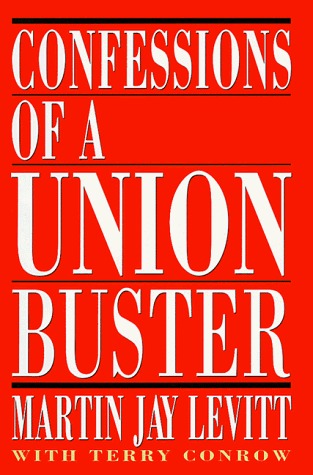
I first met Cravat Coal on paper. One hot August day in 1983, I sent the paralegal student who worked as my assistant to the National Labor Relations Board office in downtown Cleveland to poke through the filings. That was the method I had developed to generate work during slow times. It turned out to be a brilliant tactic, for of ten I discovered a union-organizing drive before company executives had any suspicions. The timeliness of my call made it impossible to ignore, and the chief executives' panic allowed me to suggest that, having caught the trouble early, we could launch our offensive while the union was still struggling to develop a strategy. That, in fact, was the case with Cravat. My student-assistant had discovered a union representation petition that had been filed just a day before by the United Mine Workers District 6, based in Wheeling, in neighboring West Virginia. The UMWA aimed to organize the 485 miners at what was then the nation's largest independent coal-mining company.
damn