
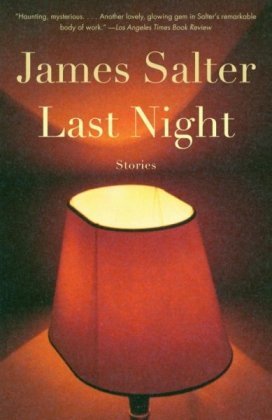
by
James Salter
7
— To the end of privacy and the life of dignity, he said. He was with a dampened woman who had recently found out that her husband had been having an affair with a black woman in Cleveland, an affair that had somehow been going on for seven years. There may even have been a child.
— You can see why coming here is like a breath of fresh air for me, she said.
The women were sympathetic. They knew what she had to do—she had to rethink completely the past seven years.
— That’s right, her companion agreed.
— What is there to be rethought? Phil wanted to know. He was answered with impatience. The deception, they said, the deception—she had been deceived all that time. Adele meanwhile was pouring more wine for herself. Her napkin covered the place where she had already spilled a glass of it.
— But that time was spent in happiness, wasn’t it? Phil asked guilelessly. That’s been lived. It can’t be changed. It can’t be just turned into unhappiness.
— That woman stole my husband. She stole everything he had vowed.
— Forgive me, Phil said softly. That happens every day. There was an outcry as if from a chorus, heads thrust forward like the hissing, sacred geese. Only Adele sat silent.
— To the end of privacy and the life of dignity, he said. He was with a dampened woman who had recently found out that her husband had been having an affair with a black woman in Cleveland, an affair that had somehow been going on for seven years. There may even have been a child.
— You can see why coming here is like a breath of fresh air for me, she said.
The women were sympathetic. They knew what she had to do—she had to rethink completely the past seven years.
— That’s right, her companion agreed.
— What is there to be rethought? Phil wanted to know. He was answered with impatience. The deception, they said, the deception—she had been deceived all that time. Adele meanwhile was pouring more wine for herself. Her napkin covered the place where she had already spilled a glass of it.
— But that time was spent in happiness, wasn’t it? Phil asked guilelessly. That’s been lived. It can’t be changed. It can’t be just turned into unhappiness.
— That woman stole my husband. She stole everything he had vowed.
— Forgive me, Phil said softly. That happens every day. There was an outcry as if from a chorus, heads thrust forward like the hissing, sacred geese. Only Adele sat silent.
8
— I didn’t leave them. Anyway it was over between us. It had been for more than a year. He said it evenly, almost as if it had happened to someone else. It was my son’s tutor, he explained. I fell in love with her.
— And you began something with her? Morrissey suggested.
— Oh, yes.
There is love when you lose the power to speak, when you cannot even breathe.
— Within two or three days, he confessed.
— There in the house?
Phil shook his head. He had a strange, helpless feeling. He was abandoning himself.
— I didn’t do anything in the house.
— He left his wife and children, Adele repeated.
— You knew that, Phil said.
— Just walked out on them. They’d been married fifteen years, since he was nineteen.
— We hadn’t been married fifteen years.
— They had three children, she said, one of them retarded.
Something had happened—he was becoming speechless, he could feel it in his chest like a kind of nausea. As if he were giving up portions of an intimate past.
— He wasn’t retarded, he managed to say. He was . . . having trouble learning to read, that’s all.
ooof
— I didn’t leave them. Anyway it was over between us. It had been for more than a year. He said it evenly, almost as if it had happened to someone else. It was my son’s tutor, he explained. I fell in love with her.
— And you began something with her? Morrissey suggested.
— Oh, yes.
There is love when you lose the power to speak, when you cannot even breathe.
— Within two or three days, he confessed.
— There in the house?
Phil shook his head. He had a strange, helpless feeling. He was abandoning himself.
— I didn’t do anything in the house.
— He left his wife and children, Adele repeated.
— You knew that, Phil said.
— Just walked out on them. They’d been married fifteen years, since he was nineteen.
— We hadn’t been married fifteen years.
— They had three children, she said, one of them retarded.
Something had happened—he was becoming speechless, he could feel it in his chest like a kind of nausea. As if he were giving up portions of an intimate past.
— He wasn’t retarded, he managed to say. He was . . . having trouble learning to read, that’s all.
ooof
10
— He pretends he can’t help it, she said. I’ve had the same thing happen. I was going by Bergdorf’s one day and saw a green coat in the window that I liked and I went in and bought it. Then a little while later, someplace else, I saw one that was better than the first one, I thought, so I bought that. Anyway, by the time I was finished I had four green coats hanging in the closet—it was just because I couldn’t control my desires.
— He pretends he can’t help it, she said. I’ve had the same thing happen. I was going by Bergdorf’s one day and saw a green coat in the window that I liked and I went in and bought it. Then a little while later, someplace else, I saw one that was better than the first one, I thought, so I bought that. Anyway, by the time I was finished I had four green coats hanging in the closet—it was just because I couldn’t control my desires.
10
None of them could know, none of them could visualize Mexico City and the first unbelievable year, driving down to the coast for the weekend, through Cuernavaca, her bare legs with the sun lying on them, her arms, the dizziness and submission he felt with her as before a forbidden photograph, as if before an overwhelming work of art. Two years in Mexico City oblivious to the wreckage. It was the sense of godliness that empowered him. He could see her neck bent forward with its slender nape. He could see the faint trace of bones like pearls that ran down her smooth back. He could see himself, his former self.
— I talk to her, he admitted.
— And your first wife?
— I talk to her. We have three kids.
— He left her, Adele said. Casanova here.
— Some women have minds like cops, Phil said to no one in particular. This is right, that’s wrong. Well, anyway . . .
He stood up. He had done everything wrong, he realized, in the wrong order. He had scuttled his life.
— Anyway there’s one thing I can say truthfully. I’d do it all over again if I had the chance.
None of them could know, none of them could visualize Mexico City and the first unbelievable year, driving down to the coast for the weekend, through Cuernavaca, her bare legs with the sun lying on them, her arms, the dizziness and submission he felt with her as before a forbidden photograph, as if before an overwhelming work of art. Two years in Mexico City oblivious to the wreckage. It was the sense of godliness that empowered him. He could see her neck bent forward with its slender nape. He could see the faint trace of bones like pearls that ran down her smooth back. He could see himself, his former self.
— I talk to her, he admitted.
— And your first wife?
— I talk to her. We have three kids.
— He left her, Adele said. Casanova here.
— Some women have minds like cops, Phil said to no one in particular. This is right, that’s wrong. Well, anyway . . .
He stood up. He had done everything wrong, he realized, in the wrong order. He had scuttled his life.
— Anyway there’s one thing I can say truthfully. I’d do it all over again if I had the chance.
11
— It’s right up there, he gestured. It doesn’t look like anything, just like another small star. It’s that extra one, by the Pleiades. He knew all the constellations. He had seen them rise in darkness over heartbreaking coasts.
— Come on, you can look at it tomorrow, she said, almost consolingly, though she came no closer to him.
— It won’t be there tomorrow. One time only.
oh i FINALLY get this story lmao
— It’s right up there, he gestured. It doesn’t look like anything, just like another small star. It’s that extra one, by the Pleiades. He knew all the constellations. He had seen them rise in darkness over heartbreaking coasts.
— Come on, you can look at it tomorrow, she said, almost consolingly, though she came no closer to him.
— It won’t be there tomorrow. One time only.
oh i FINALLY get this story lmao
14
It had not always been that way. Though she did not state, like London’s notorious Mrs. Wilson two hundred years earlier, that she would not reveal the circumstances that had made her the mistress of an older man at the age of fifteen, Teddy had had something of the same experience. The first great episode of her life had been with a writer, a detoured novelist more than twenty years older than she was. He had first seen her at a bus stop. She was not, even in those days, exactly beautiful, but there was a body that spoke, at the time, of much that youth could offer. He took her to get her first diaphragm and she was his mistress for three years until he left town and returned to literature and in the end a large house in New Jersey.
She had stayed in touch with him for a time, her real link to the grown-up world, and read his books, of course, but slowly his letters became less frequent until they simply stopped and along with them the foolish hope that he would come back someday.
It had not always been that way. Though she did not state, like London’s notorious Mrs. Wilson two hundred years earlier, that she would not reveal the circumstances that had made her the mistress of an older man at the age of fifteen, Teddy had had something of the same experience. The first great episode of her life had been with a writer, a detoured novelist more than twenty years older than she was. He had first seen her at a bus stop. She was not, even in those days, exactly beautiful, but there was a body that spoke, at the time, of much that youth could offer. He took her to get her first diaphragm and she was his mistress for three years until he left town and returned to literature and in the end a large house in New Jersey.
She had stayed in touch with him for a time, her real link to the grown-up world, and read his books, of course, but slowly his letters became less frequent until they simply stopped and along with them the foolish hope that he would come back someday.
26
The years of her marriage, looking back, had been good ones. Myron Hirsch had left her with more than enough to take care of herself, and the success she had had was on top of that. For a woman of few talents—was that true? perhaps she was shortchanging herself—she had done pretty well. She was remembering how it had started. She remembered the beer bottles rolling around in the back of the car when she was fifteen and he was making love to her every morning and she did not know if she was beginning life or throwing it away, but she loved him and would never forget.
The years of her marriage, looking back, had been good ones. Myron Hirsch had left her with more than enough to take care of herself, and the success she had had was on top of that. For a woman of few talents—was that true? perhaps she was shortchanging herself—she had done pretty well. She was remembering how it had started. She remembered the beer bottles rolling around in the back of the car when she was fifteen and he was making love to her every morning and she did not know if she was beginning life or throwing it away, but she loved him and would never forget.
49
Leslie and Kathrin had been roommates in college and friends ever since. They had hitchhiked through Europe together, getting as far as Turkey, sleeping in the same bed a lot of the nights and, except once, not fooling around with men or, as it happened that time, boys. Kathrin had long hair combed back dark from a handsome brow and a brilliant smile. She could easily have been a model. There was not much more to her than met the eye, but that had always been enough. Leslie had majored in music but hadn’t done anything with it. She had a wonderful way on the telephone, as if she’d known you for years.
Leslie and Kathrin had been roommates in college and friends ever since. They had hitchhiked through Europe together, getting as far as Turkey, sleeping in the same bed a lot of the nights and, except once, not fooling around with men or, as it happened that time, boys. Kathrin had long hair combed back dark from a handsome brow and a brilliant smile. She could easily have been a model. There was not much more to her than met the eye, but that had always been enough. Leslie had majored in music but hadn’t done anything with it. She had a wonderful way on the telephone, as if she’d known you for years.
57
She had more than sixty thousand dollars she had saved or made from an oil company one of her colleagues had told her about. If she wanted to, she could buy a car, a Porsche Boxter came to mind. She wouldn’t even have to sell the oil stock, she could get a loan and pay it off over three or four years and on weekends drive out to the country, to Connecticut, the little coastal towns, Madison, Old Lyme, Niantic, stopping somewhere to have lunch in a place that, in her imagination, was painted white outside. Perhaps there would be a man there, by himself, or even with some other men. He wouldn’t have to fall off a boat. It wouldn’t be Bunning, of course, but someone like him, wry, a little shy, the man she had somehow failed to meet until then. They’d have dinner, talk. They’d go to Venice, a thing she’d always wanted to do, in the winter, when no one else was there. They’d have a room above the canal and his shirts and shoes, a half-full bottle of she didn’t bother to think of exactly what, some Italian wine, and perhaps some books. The sea air from the Adriatic would come in the window at night and she would wake early, before it was really light, to see him sleeping beside her, sleeping and breathing softly.
She had more than sixty thousand dollars she had saved or made from an oil company one of her colleagues had told her about. If she wanted to, she could buy a car, a Porsche Boxter came to mind. She wouldn’t even have to sell the oil stock, she could get a loan and pay it off over three or four years and on weekends drive out to the country, to Connecticut, the little coastal towns, Madison, Old Lyme, Niantic, stopping somewhere to have lunch in a place that, in her imagination, was painted white outside. Perhaps there would be a man there, by himself, or even with some other men. He wouldn’t have to fall off a boat. It wouldn’t be Bunning, of course, but someone like him, wry, a little shy, the man she had somehow failed to meet until then. They’d have dinner, talk. They’d go to Venice, a thing she’d always wanted to do, in the winter, when no one else was there. They’d have a room above the canal and his shirts and shoes, a half-full bottle of she didn’t bother to think of exactly what, some Italian wine, and perhaps some books. The sea air from the Adriatic would come in the window at night and she would wake early, before it was really light, to see him sleeping beside her, sleeping and breathing softly.
61
He was a poet, of course. He even looked like a poet, intelligent, lank. He’d won the Yale prize when he was twenty-five and went on from there. When you pictured him, it was wearing a gray herringbone jacket, khaki pants, and for some reason sandals. Doesn’t fit together, but a lot of things about him were like that. Born in Galveston, ROTC in college, and even married while an undergraduate, although what became of that wife he never clearly explained. His real life came after that, and he had lived it ever since, teaching sometimes in community classes, travelling to Greece and Morocco, living there for a period, having a breakdown, and through it all writing the poem that had made his name. I read the poem, a third of it anyway, standing stunned in a bookshop in the Village. I remember the afternoon, cloudy and quiet, and I remember, too, almost leaving myself, the person I was, the ordinary way I felt about things, my perception of—there’s no other word for it—the depth of life, and above all the thrill of successive lines. The poem was an aria, jagged and unending. Its tone was what set it apart— written as if from the shades. There lay the delta, there the burning arms . . . was the way it began, and immediately I felt it was not about rivers uncoiling but about desire. It revealed itself only slowly, like some kind of dream, the light fluttering on the fronds, with names and nouns, Naples, worn benches, Luxor and the kings, Salonika, small waves falling on the stones. There was repetition, even refrain. Lines that seemed unconnected gradually became part of a confession that had at its center rooms in the burning heat of August where something has taken place, clearly sexual, but it is also the vacant streets of rural Texas, roads, forgotten friends, the slap of hands on rifle slings and forked pennants limp at parades. There are condoms, sun-faded cars, soiled menus with misspellings, a kind of pyre on which he had laid his life. That was why he seemed so pure—he had given all. Everyone lies about their lives, but he had not lied about his. He had made of it a noble lament, through it always running this thing you have had, that you will always have, but can never have. There stood Erechtheus, polished limbs and greaves . . . come to me, Hellas, I long for your touch.
He was a poet, of course. He even looked like a poet, intelligent, lank. He’d won the Yale prize when he was twenty-five and went on from there. When you pictured him, it was wearing a gray herringbone jacket, khaki pants, and for some reason sandals. Doesn’t fit together, but a lot of things about him were like that. Born in Galveston, ROTC in college, and even married while an undergraduate, although what became of that wife he never clearly explained. His real life came after that, and he had lived it ever since, teaching sometimes in community classes, travelling to Greece and Morocco, living there for a period, having a breakdown, and through it all writing the poem that had made his name. I read the poem, a third of it anyway, standing stunned in a bookshop in the Village. I remember the afternoon, cloudy and quiet, and I remember, too, almost leaving myself, the person I was, the ordinary way I felt about things, my perception of—there’s no other word for it—the depth of life, and above all the thrill of successive lines. The poem was an aria, jagged and unending. Its tone was what set it apart— written as if from the shades. There lay the delta, there the burning arms . . . was the way it began, and immediately I felt it was not about rivers uncoiling but about desire. It revealed itself only slowly, like some kind of dream, the light fluttering on the fronds, with names and nouns, Naples, worn benches, Luxor and the kings, Salonika, small waves falling on the stones. There was repetition, even refrain. Lines that seemed unconnected gradually became part of a confession that had at its center rooms in the burning heat of August where something has taken place, clearly sexual, but it is also the vacant streets of rural Texas, roads, forgotten friends, the slap of hands on rifle slings and forked pennants limp at parades. There are condoms, sun-faded cars, soiled menus with misspellings, a kind of pyre on which he had laid his life. That was why he seemed so pure—he had given all. Everyone lies about their lives, but he had not lied about his. He had made of it a noble lament, through it always running this thing you have had, that you will always have, but can never have. There stood Erechtheus, polished limbs and greaves . . . come to me, Hellas, I long for your touch.