
Bookmarker is a personal project by @dellsystem to help with retaining reading material. Source on GitHub.

Activity

You edited a note
5 months, 3 weeks ago

the world is supposed to be for all of us project/panopticon-epigraphs

Edna: I know this—your boss is making suckers outa you boys every minute. Yes, and suckers out of all the wives and the poor innocent kids who'll grow up with crooked spines and sick bones. Sure, I see it in the papers, how good orange juice is for kids. But damnit our kids get colds one on top of…
—p.10 Waiting for Lefty and Other Plays Waiting for Lefty (1) by Clifford Odets
You edited a note
5 months, 3 weeks ago

all they could offer was money project/panopticon-epigraphs

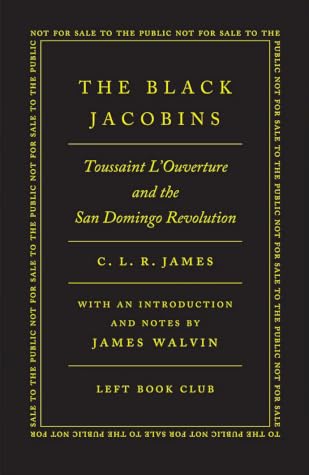
That was the style, the accent of Toussaint and his men. The British and the Spaniards could not defeat it. All they could offer was money, and there are periods in human history when money is not enough.

—p.126 The Black Jacobins: Toussaint L'Ouverture and the San Domingo Revolution 6. The Rise of Toussaint (118) by C.L.R. James
You added a note
5 months, 3 weeks ago

you’re up against your moral vision why/write

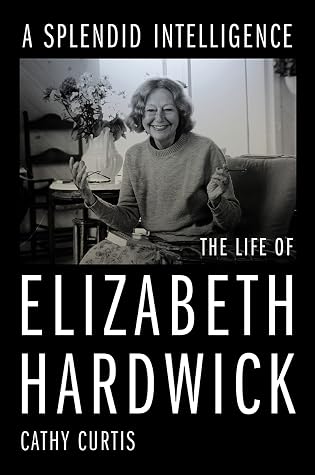
Elizabeth wrote to Robert Silvers that she was working every day on her novel, making fixes “that gleam out like flares.”97 Revision was what she liked best about writing: “You’re up against your mind, you’re up against your experience, you’re up against the quality of your insights, you’re up agai…

—p.243 A Splendid Intelligence: The Life of Elizabeth Hardwick Literary Splash (1974–1979) (220) by Cathy Curtis
You added a note
5 months, 3 weeks ago

moral courage required trusting one’s own experience

Elizabeth was the last survivor of her circle of women who were notable twentieth-century cultural critics, including Mary McCarthy, Susan Sontag (who had died in 2004), and Hannah Arendt (1975). At her memorial service, Derek Walcott’s remarks—read by Hilton Als—described Elizabeth’s merry side. S…

—p.306 Literary Lion (1980–2007) (260) by Cathy Curtis
You added a note
5 months, 3 weeks ago

the wish to make a contribution to literature

Elizabeth’s talk on this occasion was about reading and readers—specifically, “the readers a writer has in mind when he writes.”68 Many of her observations are still timely. She distinguished between readers who understood the difference between “the wish to write a book, which every citizen seems …

—p.277 Literary Lion (1980–2007) (260) by Cathy Curtis