
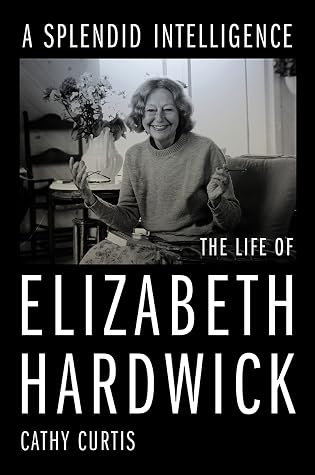
by
Cathy Curtis
Elizabeth’s talk on this occasion was about reading and readers—specifically, “the readers a writer has in mind when he writes.”68 Many of her observations are still timely. She distinguished between readers who understood the difference between “the wish to write a book, which every citizen seems to have, and the wish to make a contribution to literature.” She noted that, although reading appears to be passive, it is actually “violently active” because of the imaginative work involved “to create in [the reader’s] own mind a sort of moving pageant of action . . . and emotion.” She rued the fact that the time-saving aspects of modern life did not result in an accumulation of time for reading; on the contrary, “people with time on their hands are an object of pity.” Information overload was to blame for novels that no longer served to inform readers about life in other places and other times. The current vogue for first-person fiction seemed to be based on the premise that the author was unable to say “anything new about the larger world.”
love her