
by
The Point
(editor)
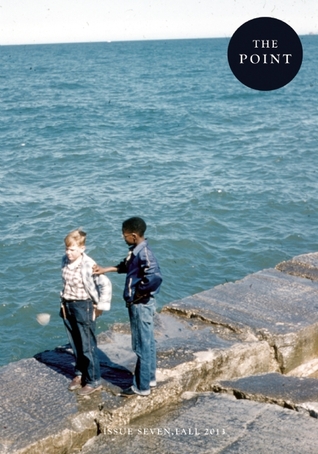
The Point, Issue 7: Fall 2013
The Point, Issue 7: Fall 2013
by
The Point
(editor)
by
The Point
(editor)
The Point, Issue 7: Fall 2013
by
The Point
(editor)
by
The Point
(editor)
32
essays:
Perilous Aesthetics
photojournalism after instagram. By Barrett Swanson
(missing author)
photojournalism after instagram. By Barrett Swanson
(missing author)
1
terms
2
notes
fulsome
(en)
(adjective) characterized by abundance; copious / (adjective) generous in amount, extent, or spirit / (adjective) being full and well developed / (adjective) aesthetically, morally, or generally offensive / (adjective) exceeding the bounds of good taste; overdone / (adjective) excessively complimentary or flattering; effusive
34
37
Here’s something that’s weird but true: a photograph is unlike almost every other art form because it isn’t merely a representation of the world; it is a record of the world. Such is the form’s indexical ontology. When we look at a photograph of a tree, we see the physical reality—the miraculous interplay of physics and light—that transpired at the exact instant the photographer activated the camera. Unlike a painting of a tree, which is a stylized representation of the object, infused with the artist’s sensibility (and, probably, his or her tree-related feelings), a photograph records and ratifies the existence of the actual tree. While the precision of a photographic index depends on a number of factors—the camera in question, whether the photographer used a filter, the extent to which the photo was treated during darkroom emulsification or digital processing—a photograph still serves as a reliable
Here’s something that’s weird but true: a photograph is unlike almost every other art form because it isn’t merely a representation of the world; it is a record of the world. Such is the form’s indexical ontology. When we look at a photograph of a tree, we see the physical reality—the miraculous interplay of physics and light—that transpired at the exact instant the photographer activated the camera. Unlike a painting of a tree, which is a stylized representation of the object, infused with the artist’s sensibility (and, probably, his or her tree-related feelings), a photograph records and ratifies the existence of the actual tree. While the precision of a photographic index depends on a number of factors—the camera in question, whether the photographer used a filter, the extent to which the photo was treated during darkroom emulsification or digital processing—a photograph still serves as a reliable
45
Perhaps it is because the people in Mosse’s photos live halfway around the world and so their suffering seems proportionately remote? Or maybe we have become inured to this type of aestheticization? Maybe the abrupt ubiquity of Instagram and other digital stylizing devices has allowed us to constantly re-imagine our own lives to the point where something that happened only moments ago can get tinted with the patina of history, aged with the waterstains of nostalgia, or deported to the landscape of a pastel fantasia. But I’ve been trying to suggest that there’s something more urgent and concerning going on here, a conflict between two modes of presentation. One approach clears the way for reality to come to us. The other claims to fetch us from the basement of our complacency but actually just takes us by the hand and leads us to a glass window so beautifully stained that we can no longer see out of it. The difference, here, is moral before it is artistic. After all, it’s disturbingly easy to interpret suffering. To look at it, though, to simply bear witness, is more difficult—for it is then that we risk coming away hurt or humbled or changed.
cool
Perhaps it is because the people in Mosse’s photos live halfway around the world and so their suffering seems proportionately remote? Or maybe we have become inured to this type of aestheticization? Maybe the abrupt ubiquity of Instagram and other digital stylizing devices has allowed us to constantly re-imagine our own lives to the point where something that happened only moments ago can get tinted with the patina of history, aged with the waterstains of nostalgia, or deported to the landscape of a pastel fantasia. But I’ve been trying to suggest that there’s something more urgent and concerning going on here, a conflict between two modes of presentation. One approach clears the way for reality to come to us. The other claims to fetch us from the basement of our complacency but actually just takes us by the hand and leads us to a glass window so beautifully stained that we can no longer see out of it. The difference, here, is moral before it is artistic. After all, it’s disturbingly easy to interpret suffering. To look at it, though, to simply bear witness, is more difficult—for it is then that we risk coming away hurt or humbled or changed.
cool