
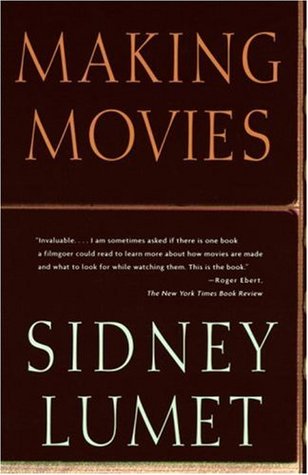
by
Sidney Lumet
148
The Cutting Room: Alone at Last
0
terms
2
notes
158
But in a movie, every shot is preceded or followed by another shot. That’s why the juxtaposition of shots is such a great tool. In the agonizing, soul-baring fights in Long Day’s Journey Into Night, the shots kept getting wider and wider as father and son found themselves telling each other the cruel, ugly truths about each other. At the culmination of the fight, two extreme close-ups ended the scene; the frames were so tight that foreheads and chins were lost. The impact of the close-ups was doubled because of the wide shots that had preceded them. In Prince of the City, when Ciello was considering suicide, the presence of the sky mattered so much because the sky had never appeared before in the movie. In The Verdict, the most important transition in the movie was illuminated by the close-ups of Paul Newman examining a Polaroid photograph. He had taken the picture of the victim, and he watched it develop. As the photograph took on life, he did too. I could feel the present breaking through for a man who, up until then, had been trapped in the detritus of his past life. It was the intercutting between the developing Polaroid and the close-ups of Newman that made the transition palpable.
sweet
But in a movie, every shot is preceded or followed by another shot. That’s why the juxtaposition of shots is such a great tool. In the agonizing, soul-baring fights in Long Day’s Journey Into Night, the shots kept getting wider and wider as father and son found themselves telling each other the cruel, ugly truths about each other. At the culmination of the fight, two extreme close-ups ended the scene; the frames were so tight that foreheads and chins were lost. The impact of the close-ups was doubled because of the wide shots that had preceded them. In Prince of the City, when Ciello was considering suicide, the presence of the sky mattered so much because the sky had never appeared before in the movie. In The Verdict, the most important transition in the movie was illuminated by the close-ups of Paul Newman examining a Polaroid photograph. He had taken the picture of the victim, and he watched it develop. As the photograph took on life, he did too. I could feel the present breaking through for a man who, up until then, had been trapped in the detritus of his past life. It was the intercutting between the developing Polaroid and the close-ups of Newman that made the transition palpable.
sweet
164
From everything I’ve mentioned so far, it’s apparent that preplanning extends to the editing phase as well. However, one of the joys of the cutting room is that sometimes the editing can help turn a scene that isn’t working into one that does. This often involves shortening it. Other times, a shift in emphasis can make a scene more interesting. Because movies are physically larger than life-size, they tend to make the point of a scene or character clearer sooner. In Daniel, Daniel is searching for some sane explanation of the cataclysms that have overtaken his life: his parents’ executions in Sing Sing and the mental collapse of his sister. There were two scenes where Daniel visits his sister in a psychiatric hospital. The second scene, where he carries his now catatonic sister around the room, wasn’t as moving as I’d hoped. I eventually realized that nothing was wrong with the scene. The problem lay in the way the first scene between them had been edited: the scene had emphasized him. As a result, the second scene provided no new revelation about him. It seemed redundant. After the first scene was recut to emphasize the sister’s pain, both scenes played much better. She was very moving in the first scene, and we still had something new to discover about Daniel in the second.
From everything I’ve mentioned so far, it’s apparent that preplanning extends to the editing phase as well. However, one of the joys of the cutting room is that sometimes the editing can help turn a scene that isn’t working into one that does. This often involves shortening it. Other times, a shift in emphasis can make a scene more interesting. Because movies are physically larger than life-size, they tend to make the point of a scene or character clearer sooner. In Daniel, Daniel is searching for some sane explanation of the cataclysms that have overtaken his life: his parents’ executions in Sing Sing and the mental collapse of his sister. There were two scenes where Daniel visits his sister in a psychiatric hospital. The second scene, where he carries his now catatonic sister around the room, wasn’t as moving as I’d hoped. I eventually realized that nothing was wrong with the scene. The problem lay in the way the first scene between them had been edited: the scene had emphasized him. As a result, the second scene provided no new revelation about him. It seemed redundant. After the first scene was recut to emphasize the sister’s pain, both scenes played much better. She was very moving in the first scene, and we still had something new to discover about Daniel in the second.