
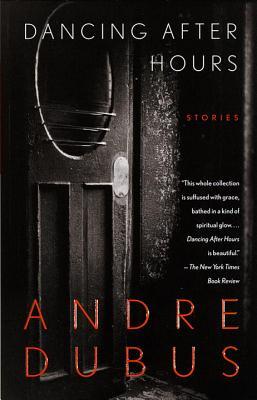
by
Andre Dubus
194
Dancing After Hours
0
terms
12
notes
195
Emily wore a dark blue shirt with short sleeves and a pale yellow skirt; she had brown hair, and for over thirty years she had wanted a pretty face. For too long, as a girl and adolescent, then a young woman, she had believed her face was homely. Now she knew it was simply not pretty. Its parts were: her eyes, her nose, her mouth, her cheeks and jaw, and chin and brow; but, combined, they lacked the mysterious proportion of a pretty face during Emily’s womanhood in America. Often, looking at photographs of models and actresses, she thought how disfiguring an eighth of an inch could be, if a beautiful woman’s nose were moved laterally that distance, or an eye moved vertically. Her body had vigor, and beneath its skin were firm muscles, and for decades her female friends had told Emily they envied it. They admired her hair, too: it was thick and soft and fell in waves to her shoulders.
Believing she was homely as a girl and a young woman had deeply wounded her. She knew this affected her when she was with people, and she knew she could do nothing but feel it. She could not change. She also liked her face, even loved it; she had to: it held her eyes and nose and mouth and ears; they let her see and hear and smell and taste the world; and behind her face was her brain. Alone in her apartment, looking in the mirror above her dressing table, she saw her entire life, perhaps her entire self, in her face, and she could see it as it was when she was a child, a girl, a young woman. She knew now that most people’s faces were plain, that most women of forty, even if they had been lovely once, were plain. But she felt that her face was an injustice she had suffered, and no matter how hard she tried, she could not achieve some new clarity, could not see herself as an ordinary and attractive woman walking the earth within meeting radius of hundreds of men whose eyes she could draw, whose hearts she could inspire.
Emily wore a dark blue shirt with short sleeves and a pale yellow skirt; she had brown hair, and for over thirty years she had wanted a pretty face. For too long, as a girl and adolescent, then a young woman, she had believed her face was homely. Now she knew it was simply not pretty. Its parts were: her eyes, her nose, her mouth, her cheeks and jaw, and chin and brow; but, combined, they lacked the mysterious proportion of a pretty face during Emily’s womanhood in America. Often, looking at photographs of models and actresses, she thought how disfiguring an eighth of an inch could be, if a beautiful woman’s nose were moved laterally that distance, or an eye moved vertically. Her body had vigor, and beneath its skin were firm muscles, and for decades her female friends had told Emily they envied it. They admired her hair, too: it was thick and soft and fell in waves to her shoulders.
Believing she was homely as a girl and a young woman had deeply wounded her. She knew this affected her when she was with people, and she knew she could do nothing but feel it. She could not change. She also liked her face, even loved it; she had to: it held her eyes and nose and mouth and ears; they let her see and hear and smell and taste the world; and behind her face was her brain. Alone in her apartment, looking in the mirror above her dressing table, she saw her entire life, perhaps her entire self, in her face, and she could see it as it was when she was a child, a girl, a young woman. She knew now that most people’s faces were plain, that most women of forty, even if they had been lovely once, were plain. But she felt that her face was an injustice she had suffered, and no matter how hard she tried, she could not achieve some new clarity, could not see herself as an ordinary and attractive woman walking the earth within meeting radius of hundreds of men whose eyes she could draw, whose hearts she could inspire.
199
[...] When Jeff had taught her the work, he had said: When you’re behind the bar, you’re the ship’s captain; never leave the bar, and never let a customer behind it; keep their respect. She did. She was friendly with her customers; she wanted them to feel they were welcome here, and were missed if they did not come in often. She remembered the names of the regulars, their jobs and something about their families, and what they liked to drink. She talked with them when they wanted her to, and this was the hardest work of all; and standing for hours was hard, and she wore runner’s shoes, and still her soles ached. She did not allow discourtesy or drunkenness.
[...] When Jeff had taught her the work, he had said: When you’re behind the bar, you’re the ship’s captain; never leave the bar, and never let a customer behind it; keep their respect. She did. She was friendly with her customers; she wanted them to feel they were welcome here, and were missed if they did not come in often. She remembered the names of the regulars, their jobs and something about their families, and what they liked to drink. She talked with them when they wanted her to, and this was the hardest work of all; and standing for hours was hard, and she wore runner’s shoes, and still her soles ached. She did not allow discourtesy or drunkenness.
200
Dark-skinned, black-haired Kay Younger had gray-blue eyes, and she flirted subtly and seriously with Rita, evening after evening when Rita sat at the bar for two drinks after work. Rita smiled at Kay’s flirting, and Emily did not believe she saw what Emily did: that Kay was falling in love. Emily hoped Kay would stop the fall, or direct its arc toward a woman who did not work at the bar. Emily wished she were not so cautious, or disillusioned; she longed for love but was able to keep her longing muted till late at night when she lay reading in bed, and it was trumpets, drums, French horns; and when she woke at noon, its sound in her soul was a distant fast train. Love did not bring happiness, it did not last, and it ended in pain. She did not want to believe this, and she was not certain that she did; perhaps she feared it was true in her own life, and her fear had become a feeling that tasted like disbelief. She did not want to see Rita and Kay in pain, and she did not want to walk into their pain when five nights a week she came to work. Love also pulled you downhill; then you had to climb again to the top, where you felt solidly alone with your integrity and were able to enjoy work again, and food and exercise and friends. Kay lit a cigarette and rested it on an ashtray, and Emily picked it up and drew on it and put it back; she blew smoke into the ice chest and reached for the tequila in the speed rack.
Dark-skinned, black-haired Kay Younger had gray-blue eyes, and she flirted subtly and seriously with Rita, evening after evening when Rita sat at the bar for two drinks after work. Rita smiled at Kay’s flirting, and Emily did not believe she saw what Emily did: that Kay was falling in love. Emily hoped Kay would stop the fall, or direct its arc toward a woman who did not work at the bar. Emily wished she were not so cautious, or disillusioned; she longed for love but was able to keep her longing muted till late at night when she lay reading in bed, and it was trumpets, drums, French horns; and when she woke at noon, its sound in her soul was a distant fast train. Love did not bring happiness, it did not last, and it ended in pain. She did not want to believe this, and she was not certain that she did; perhaps she feared it was true in her own life, and her fear had become a feeling that tasted like disbelief. She did not want to see Rita and Kay in pain, and she did not want to walk into their pain when five nights a week she came to work. Love also pulled you downhill; then you had to climb again to the top, where you felt solidly alone with your integrity and were able to enjoy work again, and food and exercise and friends. Kay lit a cigarette and rested it on an ashtray, and Emily picked it up and drew on it and put it back; she blew smoke into the ice chest and reached for the tequila in the speed rack.
203
Emily had discipline: every night she read two or three poems twice, then a novel or stories till she slept. Eight hours later she woke and ate grapefruit or a melon, and cereal with a banana or berries and skimmed milk, and wheat toast with nothing on it. An hour after eating, she left her apartment and walked five miles in fifty-three minutes; the first half mile was in her neighborhood, and the next two were on a road through woods and past a farm with a meadow where cows stood. In late afternoon she cooked fish or chicken, and rice, a yellow vegetable and a green one. On the days when she did not have to work, she washed her clothes and cleaned her apartment, bought food, and went to a video store to rent a movie, or in a theater that night watched one with women friends. All of this sustained her body and soul, but they also isolated her: she became what she could see and hear, smell and taste and touch; like and dislike; think about and talk about; and they became the world. Then, in her long nights, when it seemed everyone on earth was asleep while she lay reading in bed, sorrow was tangible in the dark hall to her bedroom door, and in the dark rooms she could not see from her bed. It was there, in the lamplight, that she knew she would never bear and love children; that tomorrow would require of her the same strength and rituals of today; that if she did not nourish herself with food, gain a balancing peace of soul with a long walk, and immerse herself in work, she could not keep sorrow at bay, and it would consume her. In the lamplight she read, and she was opened to the world by imagined women and men and children, on pages she held in her hands, and the sorrow in the darkness remained, but she was consoled, as she became one with the earth and its creatures: its dead, its living, its living after her own death; one with the sky and water, and with a single leaf falling from a tree.
ack. a warning?
Emily had discipline: every night she read two or three poems twice, then a novel or stories till she slept. Eight hours later she woke and ate grapefruit or a melon, and cereal with a banana or berries and skimmed milk, and wheat toast with nothing on it. An hour after eating, she left her apartment and walked five miles in fifty-three minutes; the first half mile was in her neighborhood, and the next two were on a road through woods and past a farm with a meadow where cows stood. In late afternoon she cooked fish or chicken, and rice, a yellow vegetable and a green one. On the days when she did not have to work, she washed her clothes and cleaned her apartment, bought food, and went to a video store to rent a movie, or in a theater that night watched one with women friends. All of this sustained her body and soul, but they also isolated her: she became what she could see and hear, smell and taste and touch; like and dislike; think about and talk about; and they became the world. Then, in her long nights, when it seemed everyone on earth was asleep while she lay reading in bed, sorrow was tangible in the dark hall to her bedroom door, and in the dark rooms she could not see from her bed. It was there, in the lamplight, that she knew she would never bear and love children; that tomorrow would require of her the same strength and rituals of today; that if she did not nourish herself with food, gain a balancing peace of soul with a long walk, and immerse herself in work, she could not keep sorrow at bay, and it would consume her. In the lamplight she read, and she was opened to the world by imagined women and men and children, on pages she held in her hands, and the sorrow in the darkness remained, but she was consoled, as she became one with the earth and its creatures: its dead, its living, its living after her own death; one with the sky and water, and with a single leaf falling from a tree.
ack. a warning?
210
[...] In her last three years she realized she was becoming scornful and bitter, and she worked to control the tone of her voice, and what she said to students, and what she wrote on their papers. She taught without confidence or hope, and felt like a woman standing at a roadside, reading poems aloud into the wind as cars filled with teenagers went speeding by. She was tending bar in summer and finally she asked Jeff if she could work all year. She liked the work, she stopped taking sleeping pills because when she slept no longer mattered, and, with her tips, she earned more money. She did not want to teach again, or work with teenagers, or have to talk to anyone about the books she read. But she knew that pain had defeated her, while other teachers had endured it, or had not felt it as sharply.
[...] In her last three years she realized she was becoming scornful and bitter, and she worked to control the tone of her voice, and what she said to students, and what she wrote on their papers. She taught without confidence or hope, and felt like a woman standing at a roadside, reading poems aloud into the wind as cars filled with teenagers went speeding by. She was tending bar in summer and finally she asked Jeff if she could work all year. She liked the work, she stopped taking sleeping pills because when she slept no longer mattered, and, with her tips, she earned more money. She did not want to teach again, or work with teenagers, or have to talk to anyone about the books she read. But she knew that pain had defeated her, while other teachers had endured it, or had not felt it as sharply.
211
Because of pain, she had turned away from Jeff, a man whom she looked forward to seeing at work. She was not afraid of pain; she was tired of it; and sometimes she thought being tired of it was worse than fear, that losing fear meant she had lost hope as well. If this were true, she would not be able to love with her whole heart, for she would not have a whole heart; and only a man who had also lost hope, and who would settle for the crumbs of the feast, would return her love with the crumbs of his soul. For a long time she had not trusted what she felt for a man, and for an even longer time, beginning in high school, she had deeply mistrusted what men felt for her, or believed they felt, or told her they felt. [...]
Because of pain, she had turned away from Jeff, a man whom she looked forward to seeing at work. She was not afraid of pain; she was tired of it; and sometimes she thought being tired of it was worse than fear, that losing fear meant she had lost hope as well. If this were true, she would not be able to love with her whole heart, for she would not have a whole heart; and only a man who had also lost hope, and who would settle for the crumbs of the feast, would return her love with the crumbs of his soul. For a long time she had not trusted what she felt for a man, and for an even longer time, beginning in high school, she had deeply mistrusted what men felt for her, or believed they felt, or told her they felt. [...]
212
She wanted equilibrium: she wanted to carry what she had to carry, and to walk with order and strength. She had never been helpless, and she thought of Drew: his throbless penis with a catheter in it, his shit. If he could not feel a woman, did he even know if he was shitting? She believed she could not bear such helplessness, and would prefer death. She thought: I can walk. Feed myself. Shower. Shit in a toilet. Make love. She was neither grateful nor relieved; she was afraid. She had never imagined herself being crippled, and now, standing behind the bar, she felt her spine as part of her that could be broken, the spinal cord severed; saw herself in a wheelchair with a motor, her body attenuating, her face seeming larger; saw a hired woman doing everything for her and to her.
She wanted equilibrium: she wanted to carry what she had to carry, and to walk with order and strength. She had never been helpless, and she thought of Drew: his throbless penis with a catheter in it, his shit. If he could not feel a woman, did he even know if he was shitting? She believed she could not bear such helplessness, and would prefer death. She thought: I can walk. Feed myself. Shower. Shit in a toilet. Make love. She was neither grateful nor relieved; she was afraid. She had never imagined herself being crippled, and now, standing behind the bar, she felt her spine as part of her that could be broken, the spinal cord severed; saw herself in a wheelchair with a motor, her body attenuating, her face seeming larger; saw a hired woman doing everything for her and to her.
219
Kirk had said: “Know what I mean?” To love without the limits of seeing; so to love without the limits of the flesh. As Kirk danced through the crowd, he had hugged women and men, not knowing till his hand and arm touched their flesh. When he hugged Emily, she had not felt like a woman in the embrace of a man; she melded; she was music.
Kirk had said: “Know what I mean?” To love without the limits of seeing; so to love without the limits of the flesh. As Kirk danced through the crowd, he had hugged women and men, not knowing till his hand and arm touched their flesh. When he hugged Emily, she had not felt like a woman in the embrace of a man; she melded; she was music.
222
“He was laughing the whole time,” Alvin said. “While the chute was pulling them on the ground. He’s on top of the guy, and he’s laughing and shouting: ‘This is great, this is great.’ And on the video you can hear his bones snapping.”
“When did you know?” Jeff said.
“On the third day. When my feet were swollen, and Alvin couldn’t get my shoes on.”
“You never felt pain?” Rita said.
“Not like you do. It was like a pinball machine, this little ball moving around. So in the hospital they sent me a shrink. To see if I had a death wish. If a normal sky dives and breaks some bones, they don’t ask him if he wanted to die. They ask quads. I told him if I wanted to die, I wouldn’t have paid a guy with a parachute. I told him it was better than sex. I told him he should try it.”
“He was laughing the whole time,” Alvin said. “While the chute was pulling them on the ground. He’s on top of the guy, and he’s laughing and shouting: ‘This is great, this is great.’ And on the video you can hear his bones snapping.”
“When did you know?” Jeff said.
“On the third day. When my feet were swollen, and Alvin couldn’t get my shoes on.”
“You never felt pain?” Rita said.
“Not like you do. It was like a pinball machine, this little ball moving around. So in the hospital they sent me a shrink. To see if I had a death wish. If a normal sky dives and breaks some bones, they don’t ask him if he wanted to die. They ask quads. I told him if I wanted to die, I wouldn’t have paid a guy with a parachute. I told him it was better than sex. I told him he should try it.”
223
Rita said: “How did you get hurt?”
“Diving into a wave.”
“Oh my God,” Emily said. “I love diving into waves.”
“Don’t stop.” He smiled. “You could slip in the shower. I know a guy like me, who fell off his bed. He wasn’t drunk; he was asleep. He doesn’t know how he fell. He woke up on the floor, a quad.”
Rita said: “How did you get hurt?”
“Diving into a wave.”
“Oh my God,” Emily said. “I love diving into waves.”
“Don’t stop.” He smiled. “You could slip in the shower. I know a guy like me, who fell off his bed. He wasn’t drunk; he was asleep. He doesn’t know how he fell. He woke up on the floor, a quad.”
224
Alvin asked Rita to dance, and Kay asked Jeff. They pushed tables and chairs and made a space on the floor, and held each other, moving to Desmond’s slow song. Emily said: “When this happened to you, who pulled you out of the water?”
“Two buddies. They rode in on the wave that got me. They looked around and saw me. I was like a big rag doll in the water. I’d go under, I’d come up. Mostly under.”
“Did you know how bad it was?”
“I was drowning. That’s what I was afraid of till they came and got me. Then I was scared because I couldn’t move. They put me on the beach, and then I felt the pain; and I couldn’t move my legs and arms. I was twenty-one years old, and I knew.”
Alvin asked Rita to dance, and Kay asked Jeff. They pushed tables and chairs and made a space on the floor, and held each other, moving to Desmond’s slow song. Emily said: “When this happened to you, who pulled you out of the water?”
“Two buddies. They rode in on the wave that got me. They looked around and saw me. I was like a big rag doll in the water. I’d go under, I’d come up. Mostly under.”
“Did you know how bad it was?”
“I was drowning. That’s what I was afraid of till they came and got me. Then I was scared because I couldn’t move. They put me on the beach, and then I felt the pain; and I couldn’t move my legs and arms. I was twenty-one years old, and I knew.”
226
Coltrane softly blew a low note and held it, the drummer tapping cymbals, and the cassette ended. Emily withdrew her hand from Jeff’s back, but he still held hers, and her right hand. He said: “He told me once: ‘I wake up tired.’ His body was his enemy, and when he fought it, he lost. What he had to do was ignore it. That was the will. That was how he was happy.”
“Ignore it?”
“Move beyond it.”
He released her back and lowered her hand, and shifted his grip on it and held it as they walked toward the table; then Jeff stopped her. He said: “He had something else. He was grateful.”
“For what?”
“That he wasn’t blown to pieces. And that he still had his brain.”
Coltrane softly blew a low note and held it, the drummer tapping cymbals, and the cassette ended. Emily withdrew her hand from Jeff’s back, but he still held hers, and her right hand. He said: “He told me once: ‘I wake up tired.’ His body was his enemy, and when he fought it, he lost. What he had to do was ignore it. That was the will. That was how he was happy.”
“Ignore it?”
“Move beyond it.”
He released her back and lowered her hand, and shifted his grip on it and held it as they walked toward the table; then Jeff stopped her. He said: “He had something else. He was grateful.”
“For what?”
“That he wasn’t blown to pieces. And that he still had his brain.”