
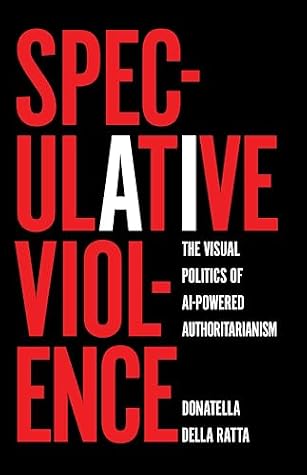
Generative AI has ultimately become the quintessential
tactical media of the reactionary avant-garde: a machine
for launching visual propositions of the future that do
not seek to be believed in a factual sense but simply to
be inhabited. These synthetic futures possess epistemic
force—not because they are true, but precisely because
they are unrealistic, and thus free to operate in the register
of fabulation. They narrate worlds into being. They do not
describe reality; they summon it. This is the true power of
generative AI: not representation, but world-making. Such
forecasts—images of what could or should happen—do
not wait for the future to arrive. They intervene in the
present through what Dagmar Herzog calls “frontlash”:
an anticipatory strike that floods the symbolic field with a
reality that does not yet exist.