
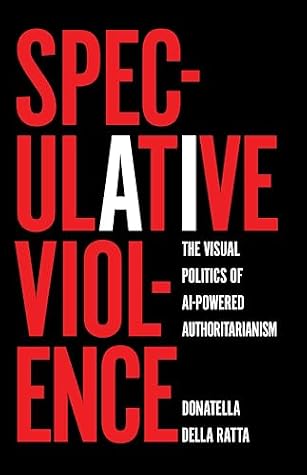
This deluge of imagery and, more broadly, the digital aesthetics of the contemporary right cannot be dismissed as mere parody, provocation, prank, or bad taste. Their proliferation, virality, and memetic power turn them into an infrastructure for power: a visual regime that conditions perception, normalizes violence, aestheticizes authoritarianism, and renders annihilation itself desirable through the pleasures of seeing. In such a framework, aesthetics does not decorate politics; it supplements it, paving the way toward embracing domination not despite its violence but because of the affective charge that violence itself, once visually rendered, can produce.