
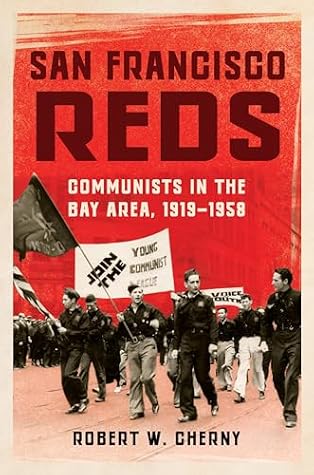
The West Coast strikes of 1934 came as the Executive Committee of the Comintern was moving away from the Third Period analysis and toward what in France was called the Front populaire, the People’s Front, and was usually called the Popular Front in the United States. Georgi Dimitrov, head of the Comintern, formally announced the change of direction in mid-1935, due largely to Hitler’s rise to power and his evisceration of the German CP. By then, events in California and France were already moving toward a Popular Front.
Though national party leaders had quashed Darcy’s efforts in the 1934 state election, detailed analysis of the West Coast strikes led the party further away from the millenarian thinking and Third Period sectarianism of the 1920s and early 1930s and toward the mainstream of organized labor. By the mid-1930s, many CP members in California were actively involved in unions and some had been elected to union office. Instead of preparing to lead the supposedly imminent uprising of the workers, they found themselves immersed in collective bargaining and contract enforcement.