
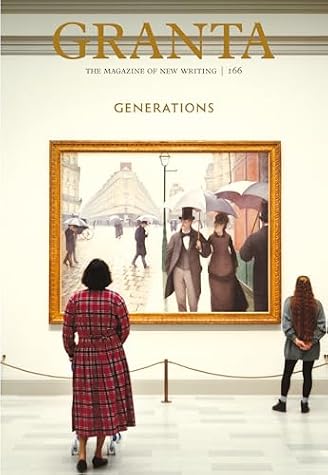
by
Granta
Per did not read the books that were popular in the store where he worked because those books were books, not literature. They had very little to do with life and would not be read in five years. The books most popular in the store were popular precisely because of the hyper-localized nature of their idiom and the narrowness of their concerns. The books described a mode of life that would be utterly unrecognizable in a year or two. Or worse, they were about a generalized, abstracted version of the past that had been mostly cobbled out of quickly digested research articles and hazy family memories from across the diaspora. The contemporary novel as Per understood it was mostly about the self, but also about things that had happened to a family across many generations but also about Nazis but also about slavery but also about some obscure local historical atrocity that reverberated through to the present day and had shocking consequences for all involved but also about a painter on a train going to Prague and thinking about a bad man she had slept with once or thought about sleeping with anyway.
ok fine this isn't inaccurate