
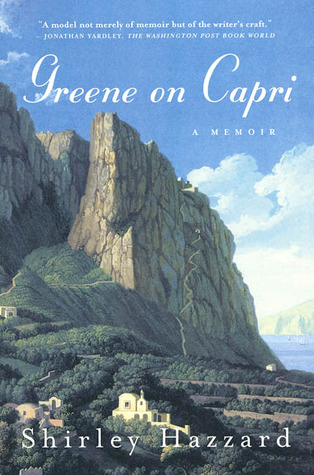
Noticing, on another raking of our Capri shelves, Leon Edel’s volumes of Henry James’s letters, Graham said that he, too, brought those books to Capri: “They make me want to write.”
To write fiction is to learn to inhabit other skins, whether thinner or thicker than one’s own. (Thus Auden, paraphrasing the Book of Revelation, pays tribute to the novelist who must among the Just / Be just, among the Filthy filthy too.) In his best work, Graham excelled at those acts of convinced imagination and irresolute morality. There was, also, an authorial distance that could make it hard to establish where his sympathies lay—in Brighton Rock, for instance—or whether sympathies were engaged at all, as in The Quiet American, where cynicism, scarcely stirred by sensuality, expresses itself in violence and displeasure. In The End of the Affair, the temperament of the narrator, Bendrix, is unsparingly close, in anger, wit, and struggle, to Graham’s own—so faithfully drawn as to challenge the credibility of the character by seemingly improbable contrasts of mood: an accomplished exercise in self knowledge.