
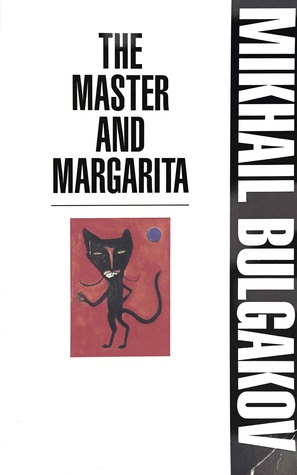
The violence in this novel is meant to disturb the reader, so that eventually, he, like the Master and Margarita, will understand that even Mark Ratkiller is indeed a good man, as Yeshua claims. The characters and the reader are meant eventually to see beyond apparent identity to the real identity, to understand that Woland and Yeshua bring the same message. Woland gives everyone, especially Margarita, the same test, and to pass it, one must show compassion even to the worst humanity has to offer, from the hell of the dance at Griboyedov, to the hell of the criminals at the ball, to Pilate suffering torture in the relentless sun. Yeshua teaches by example, Woland by provocation, but they are both teaching that compassion is preferable to revenge. Read in this light, the barbed conversation between Woland and Levi Matvei about the need for shadows assumes new significance, as does the way in which the Master comes to regard his neighbor, the betrayer Aloisy. The very process of reading the novel is meant to educate the reader, to lead him to a state of enlightenment in which the division of humanity into good and evil is no longer useful and the transcendence of the need for retribution is the goal.