
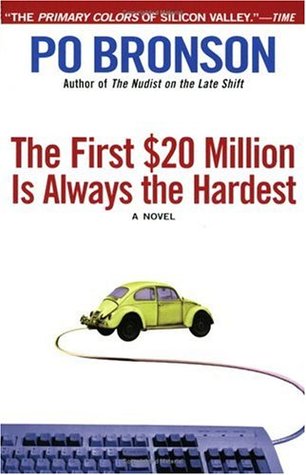
by
Po Bronson
But Darrell's reasoning was slightly more subtle,- he recognized that almost all computer geeks got their first look at a computer through some kind of computer game. Darrell believed that games transformed the box from a work tool to a plaything, and thereby burned a positive association into the hard wiring of a future geek's brain. Games taught people to love their computers, and once in love they continued to explore the other features and uses available. They became curious. By contrast, most ordinary people in office buildings first use a computer as a word processor. They aren't very curious to explore what else can be done with the thing. Curiosity, Darrell insisted, was the all-important key that unlocked the many doors the computer could take you to. Only curiosity would drive those young students in schools to stay an extra hour at the end of the day and explore the internet. Darrell feared that if students just used their VWPCs as study tools, VWPCs would get about as positive an image as textbooks - heavy tomes we want to burn to a charred crisp right after final exams.
true