
Bookmarker is a personal project by @dellsystem to help with retaining reading material. Source on GitHub.

Activity

You added a note
4 months, 1 week ago
the adult sensibility that I was not ready for

[...] Helen Garner, who offered a compelling account of the kind of shift that might take place in the mysterious spaces of reading, taste, and perception. Garner recalled her own early hostility to Hazzard’s novels, “back in the 80s”:

Everyone I knew was swept away by them. I tried to read th…

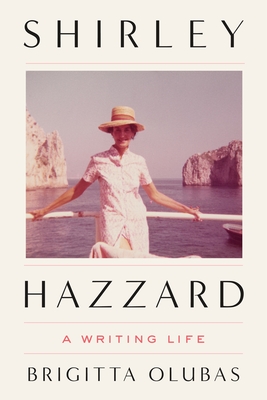
—p.454 Shirley Hazzard: A Writing Life Sola Solissima: 1995–2016 (427) by Brigitta Olubas
You added a note
4 months, 1 week ago

the rehearsal for the rightful life

She mused in her diary on the alignment of passion and morality shadowed by her own sense of fated misalignment—the coming-round of things and the too-late that are so completely expressed in The Transit of Venus—in her new novel. And she reflected on the timing of her own coming to love: “Reading …

—p.444 Sola Solissima: 1995–2016 (427) by Brigitta Olubas
You added a note
4 months, 1 week ago

when Bill grew too weak to hold the book

Through 2000, it was clear to their friends that Emmy and Bill Maxwell were both increasingly frail and, by the summer, that Emmy was close to death. Bill was reading War and Peace to her, and then to himself. Shirley later wrote that his “solace and pleasure in the book were an event in those room…

—p.440 Sola Solissima: 1995–2016 (427) by Brigitta Olubas
You added a note
4 months, 1 week ago

always the life struggling up

Unacknowledged and unacknowledgeable, Alec’s death, the persistent and reiterated loss prompted endless recollection, reflection: “As if one had swallowed a stone. The compulsive blighting.” Inexpressible—not simply because the right to the expression of grief remained with his widow and family, bu…

—p.413 The Room Not as I Thought It Was: 1981–1994 (389) by Brigitta Olubas
You added a note
4 months, 1 week ago

somehow counting on him to be there always

In September she marked the deaths, three days apart, of Alberto Moravia in Rome and Patrick White in Sydney. The news, not unexpected in either case, was nonetheless “somehow shocking.” Both were, she wrote Donald Keene, “difficult men, and both, I’d say, writers who had lost impetus in later year…

—p.412 The Room Not as I Thought It Was: 1981–1994 (389) by Brigitta Olubas