
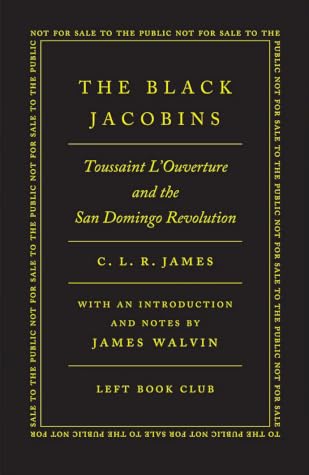
by
C.L.R. James
The ignorance inherent in rural life prior to the industrial revolution was reinforced by the irascibility and the conceit of isolation allied to undisputed domination over hundreds of human beings. The plantations were often miles apart and, in those days of horse-traffic and few or bad roads in a mountainous country, communication with neighbours was difficult and rare. The planters hated the life and sought only to make enough money to retire to France or at least spend a few months in Paris, luxuriating in the amenities of civilization. With so much to eat and drink, there was a lavish hospitality which has remained a tradition, but the majority of the great houses, contrary to the legend, were poorly furnished, and their owners looked on them as rest-houses in the intervals of trips to Paris. Seeking to overcome their abundant leisure and boredom with food, drink, dice and black women, they had long before 1789 lost the simplicity of life and rude energy of those nameless men who laid the foundation of the colony. A manager and an overseer, and the more intelligent of their slaves were more than sufficient to run their plantations. As soon as they could afford it they left the island, if possible never to return, though they never formed in France so rich and powerful a social and political force as the West Indian interest in England.