
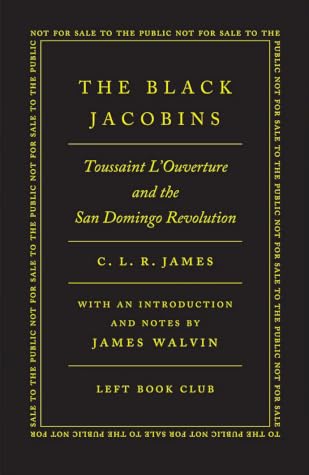
by
C.L.R. James
The West Indian slave colonies had emerged, from the mid seventeenth century onwards, on the back of imported Africans toiling primarily on the sugar plantations. The sugar industry became a remarkable source of wealth and material well-being for those involved; for shippers and traders, for merchants and financiers, and for the domestic economies of the participating European maritime powers. By turns, the Spanish, Portuguese, Dutch, English and the French all sought to establish their own New World-based sugar industry. Of course, slaves produced a range of other tropical staples (notably tobacco, coffee and rice) but sugar remained their pre-eminent activity. The British islands, led by Barbados then, from the early eighteenth century, by Jamaica, established themselves as wealth-generating colonies – though not of course for the people who made it all possible: the Africans and their local-born offspring. This rise of slave-based British economic strength was paralleled by the emergence of British military and strategic power in the Atlantic. But by the mid eighteenth century they were challenged by the French, whose own slave islands (Martinique, Guadeloupe, San Domingo, St Lucia) disgorged growing prosperity to France and its maritime and mercantile groups.