
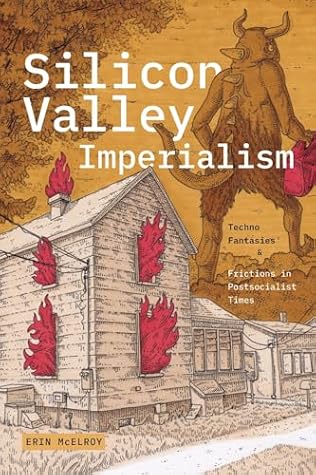
by
Erin McElroy
[...] as Brenna Bhandar puts it, colonial encounters have long relied on the logics of private property in order to create capitalist markets, in turn producing racial regimes of ownership that haunt the present. Such confrontations have manifested “a conceptual apparatus in which justifications for private property ownership remain bound to a concept of the h uman that is thoroughly racial in its makeup.” As she notes, while racial capitalism was indeed a core tenet of feudal Europe prior to the colonization of the Americas, it became globalized in the era of modern colonialism, which relied on new technologies of economic, racial, and spatial m easurement, codification, and abstraction. Such techniques were used to render colonized peoples “outside of history, lacking the requisite cultural practices, habits of thought, and economic organization to be considered as sovereign, rational economic subjects.”40 Prior imperial violence is thus not simply stuck in the past but is rather an ongoing condition of possibility that very much informs capitalist logics and their racial technologies.