
by
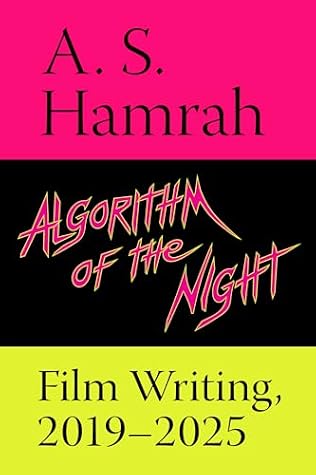
A S Hamrah
285
Where Lynch is hallucinatory, intense, and Freudian (or, in a word, hysterical), Villeneuve is dull and literal, and his scene is simply a test that allows the lead character to move up a level, like in a video game or a YA novel, which we knew he was going to do. Later in the movie, the idea that Chalamet could just speak in a certain tone of voice and other people would do exactly what he wanted them to do reminded me of Brooklyn teens ordering in restaurants.
Where Lynch is hallucinatory, intense, and Freudian (or, in a word, hysterical), Villeneuve is dull and literal, and his scene is simply a test that allows the lead character to move up a level, like in a video game or a YA novel, which we knew he was going to do. Later in the movie, the idea that Chalamet could just speak in a certain tone of voice and other people would do exactly what he wanted them to do reminded me of Brooklyn teens ordering in restaurants.
288
What else could explain the outright fabrications in this movie, which include a phone call from J. Edgar Hoover, in front of a live studio audience, that washes away Lucille Ball’s 1930s membership in the Communist Party and makes everyone cheer? This right-wing appeal to Hoover and the FBI is the opposite of Clint Eastwood’s in J. Edgar (2011), where Eastwood and Leonardo DiCaprio carefully outlined how a police state was created in the U.S.
That Sorkin glosses the McCarthy Era like this and places himself to the right of Eastwood is surprising. But it makes sense, because no one in Hollywood is more aligned with the entertainment/tech industry/Washington politics nexus than the power-loving, success-worshipping, union-hating Sorkin. Somehow this extended to slighting Karl Freund, the German cinematographer of I Love Lucy, who invented the three-camera sitcom setup that’s still in use seventy years later. Why Sorkin chose to do that is also telling: it made Desi Arnaz look smarter, Sorkin’s goal with all his protagonists.
brutal
289
King Richard demonstrates, step by step, the value of sticking to your plan, even if some folks think you’re crazy. I don’t mean Richard Williams’s plan to turn his daughters Venus and Serena into tennis champs. I mean Will Smith’s plan to win an Oscar. Williams, like the actor who plays him, knew the value of finely tuning a capitalist product and introducing it into the marketplace as a brand. This is a business movie, which reaches its height not when Venus Williams (Saniyya Sidney) almost wins her second professional match and reveals her talent and grace to the world, but when the Williams family decides to hold out for a better sneaker deal. “Nine months later,” we read on screen at the end of the movie, “Venus signed a contract with Reebok for twelve million dollars.” I don’t mind being nudged to cry as the Williams sisters’ reach for the stars in Compton. But I call “out” when I am asked to weep with joy over their first professional product endorsement.
omg