
by
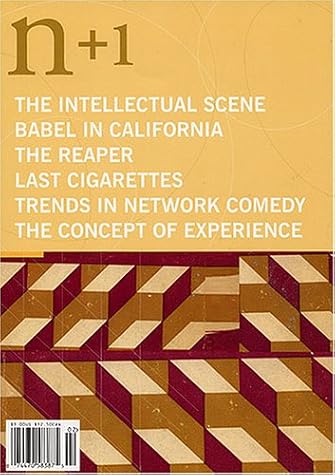
n+1
149
Most of us just have simple dissatisfaction. The sense that each or any moment might be won for experience, but is lost to time instead, leaves a residue of perpetual loss. We find out that every situation is withdrawn from us finally, and we didn’t have the will to take it far enough when we still could. When a cloud hangs over me, I think: “I was never the Casanova I meant to be: I was too slow. I was never the traveler I meant to be: I liked my comforts too much at home. I never built a cabin in the woods: I’m no carpenter. I never took the drugs I planned to take: I thought I’d lose my mind.” But I am bored by Casanovas, inveterate travelers, nature lovers, and the drug-obsessed, as they speak from the narrowness of their exhaustive experience of one thing. Nor can I make anyone feel what I did do. Trying to get a taste of everything, besides, gave me a depth of understanding of no one thing—I missed the experience of insight for a diffuse ambition.
Truly dissatisfied persons, maybe more than anybody else, take a large proportion of their experience from books. Or they find they can double their own little experience, and make a second pass at the day-to-day, by writing it down. Poor scribblers! Such people are closest to a solution, and yet to everyone else they seem to be using up time, wasting life, as they spend fewer hours “living” than anyone, and gain less direct experience. Serious reading often starts from a deep frustration with living. Keeping a journal is a sure sign of the attempt to preserve experience by desperate measures. These poor dissatisfied people take photographs, make albums, keep souvenirs and scrapbooks. And still they always ask: “What have I done?”
idk if i fully agree with the argument here (what is the argument exactly) but i like the writing!
Most of us just have simple dissatisfaction. The sense that each or any moment might be won for experience, but is lost to time instead, leaves a residue of perpetual loss. We find out that every situation is withdrawn from us finally, and we didn’t have the will to take it far enough when we still could. When a cloud hangs over me, I think: “I was never the Casanova I meant to be: I was too slow. I was never the traveler I meant to be: I liked my comforts too much at home. I never built a cabin in the woods: I’m no carpenter. I never took the drugs I planned to take: I thought I’d lose my mind.” But I am bored by Casanovas, inveterate travelers, nature lovers, and the drug-obsessed, as they speak from the narrowness of their exhaustive experience of one thing. Nor can I make anyone feel what I did do. Trying to get a taste of everything, besides, gave me a depth of understanding of no one thing—I missed the experience of insight for a diffuse ambition.
Truly dissatisfied persons, maybe more than anybody else, take a large proportion of their experience from books. Or they find they can double their own little experience, and make a second pass at the day-to-day, by writing it down. Poor scribblers! Such people are closest to a solution, and yet to everyone else they seem to be using up time, wasting life, as they spend fewer hours “living” than anyone, and gain less direct experience. Serious reading often starts from a deep frustration with living. Keeping a journal is a sure sign of the attempt to preserve experience by desperate measures. These poor dissatisfied people take photographs, make albums, keep souvenirs and scrapbooks. And still they always ask: “What have I done?”
idk if i fully agree with the argument here (what is the argument exactly) but i like the writing!