
by
Joan Copjec
(editor)
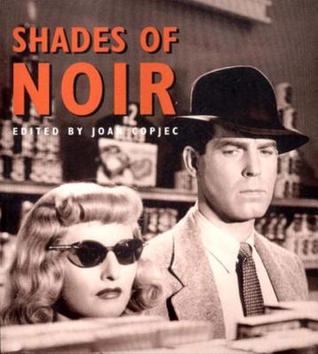
Shades of Noir: A Reader
Shades of Noir: A Reader
by
Joan Copjec
(editor)
by
Joan Copjec
(editor)
Shades of Noir: A Reader
by
Joan Copjec
(editor)
by
Joan Copjec
(editor)
Seeking clues to explain what actually happened in the interval between Quinn's two visits, he and Bricky make separate forays into the darkened streets. In defiance of the conventional logic of mystery plots, these characters follow one clue after another, each leading to a dead end. These loose threads afford brief glimpses of other narratives - sometimes ordinary (the man whose wife had just delivered a child), sometimes desperate (the woman who had just committed a murder) - a random sampling of life on the streets of the guilty city. Dana Polan has noted how explicit Woolrich is 'in showing the ambivalent possibility of this new space of modernity for the fragmentation of narrativity . . . where each narrative denouement exists alongside the possibility of an equally significant but opposed alternate denouement. Modernity here is the possibility of a generation of endless narratives, all equally possible expansions of initial premises.' In this account, Woolrich's text becomes available for reading as 'a kind of meditation on novel writing'. The idea that Deadline at Dawn belongs in the company of, say, Calvino's If on a Winter's Night is charming and, on reflection, even plausible.