
by
Joan Copjec
(editor)
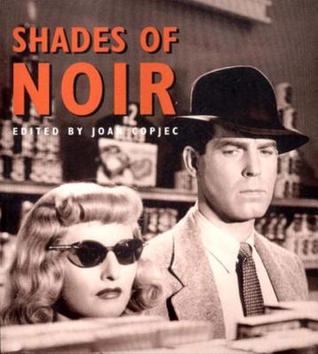
Shades of Noir: A Reader
Shades of Noir: A Reader
by
Joan Copjec
(editor)
by
Joan Copjec
(editor)
Shades of Noir: A Reader
by
Joan Copjec
(editor)
by
Joan Copjec
(editor)
The reconstruction of a long-ago public 'mood', like for that matter the interpretation of an existing one, is a species of myth making that deals with a notably inchoate subject; but as with any other kind of fiction, some reconstructions carry more conviction than others. Consider this famous passage from C. Wright Mills's White Collar:
The Second World War was understood by most sensitive observers as a curiously unreal business. Men went away and fought, all over the world; women did whatever was expected of women during war; people worked hard and long and bought war bonds; everybody believed in America and in her cause: there was no rebellion. Yet it all seemed a purposeless kind of efficiency. Some kind of numbness seemed to prohibit awareness of the magnitude and depth of what was happening; it was without dream and so without nightmare, and if there was anger and fear, and there was, still no chords of feeling and conviction were deeply touched. People sat in the movies between production shifts, watching with aloofness and even visible indifference, as children were 'saturation bombed' in the narrow cellars of Europe . . . There were no plain targets of revolt; and the cold metropolitan manner had so entered the soul of overpowered men that they were made completely private and blase, deep down and for good.
damn this is good i ought to read this