
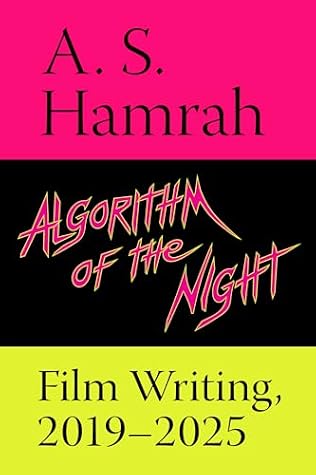
by
A S Hamrah
What else could explain the outright fabrications in this movie, which include a phone call from J. Edgar Hoover, in front of a live studio audience, that washes away Lucille Ball’s 1930s membership in the Communist Party and makes everyone cheer? This right-wing appeal to Hoover and the FBI is the opposite of Clint Eastwood’s in J. Edgar (2011), where Eastwood and Leonardo DiCaprio carefully outlined how a police state was created in the U.S.
That Sorkin glosses the McCarthy Era like this and places himself to the right of Eastwood is surprising. But it makes sense, because no one in Hollywood is more aligned with the entertainment/tech industry/Washington politics nexus than the power-loving, success-worshipping, union-hating Sorkin. Somehow this extended to slighting Karl Freund, the German cinematographer of I Love Lucy, who invented the three-camera sitcom setup that’s still in use seventy years later. Why Sorkin chose to do that is also telling: it made Desi Arnaz look smarter, Sorkin’s goal with all his protagonists.
brutal