
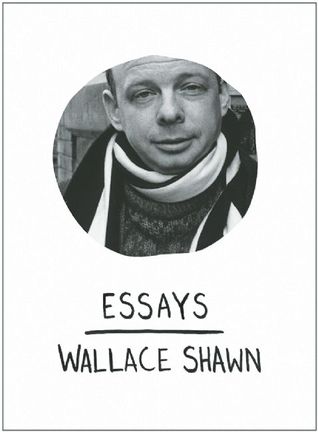
WS: What did you mean when you said that a poet’s first responsibility was to the language?
MS: Well, in writing poetry, one wants a certain flexibility in the use of language, a flexibility that can keep alive successes in the language from the past, that is, other poems, and that will also ensure that whatever poetry comes next will capitalize on the successes instead of on the failures. The fact is that we take many of our cues on how to proceed, and our ideas about what is a good line, or a beautiful line, from what we’ve experienced from the poetry of the past. In other words, it would be nice to know that poets in the future will have read the best poets of today and yesterday, that they won’t simply base their poems on news reports or instruction manuals. You know, so that there’s some continuity in the language of poetry. Because it’s complicated, but we’re defined by the best that’s written in our language, and so we want to perpetuate the best that’s written in our language. If poetry becomes just a revision of the newspaper page or the talking heads on TV, that’s not a language that will last; it’s not a language that translates into the future.
Mark Strand