
by
Joan Copjec
(editor)
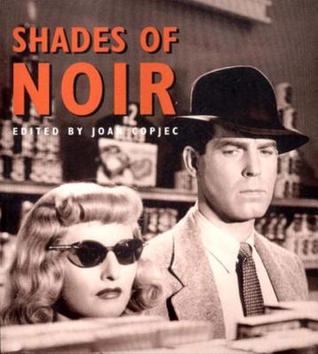
Shades of Noir: A Reader
Shades of Noir: A Reader
by
Joan Copjec
(editor)
by
Joan Copjec
(editor)
Shades of Noir: A Reader
by
Joan Copjec
(editor)
by
Joan Copjec
(editor)
Film theory still operates largely according to the structuralist assumption Lefort indicts. We conceive a film as a system of relations among 'minimal significant units', at various levels of articulation. Anyone familiar with the study of film noir, for example, can recite a list of such units or elements thought to be necessary to the definition of the genre: a femme fatale, a morally compromised detective, an urban setting, voice-over narration, convoluted plot structure, chiaroscuro lighting, skewed framing, and so on. Lefort's implied argument that any such list, along with a specification of the relations among its individual terms, is bound to remain a mere heap of traits with no real coherency is borne out by the continued suspicion regarding the very status of film noir. We pay too much attention to the established terms and their relations without ever inquiring into the principle by which they are established. In virtue of what, we neglect to ask, is this particular organization instituted?
Sometimes, however, we are fooled into believing that we have asked this question, and are able to answer it, by making reference to a film's historic context. Film noir criticism correlates filmic elements with historical 'sources' - World War Two, an increase in crime, mounting paranoia regarding the working woman's place in society, and so on - thinking that it has thereby located the 'generative principle' of the films. But this reference to external sources in no way resolves the question of the internal logic of the films; the question is merely deferred. Raymond Borde and Etienne Chaumeton, authors of the first (1955) book-length study of film noir, acknoweldge [sic] this point even as they examine what they take to be the sources of the films. After discussing the rising incidence of crime during the period of the production of films noirs, they comment:
The question remains: why did crime suddenly assume such importance in Hollywood productions during these last ten years? For the existence of a phenomenon does not itself explain its artistic exploitation: artists and the public could misrecognize it, intentionally reject it, or consider it unaesthetic. Why were American spectators so sensible to films of violence and murder?