
In 1921, shipowners served demands on their ship crews for a 15 to 25 percent cut in pay, the elimination of overtime, and a return to the two-watch system (an increase in weekly hours from 56 to 84). The wartime Shipping Board, still operating a major portion of the nation's merchant marine, backed their demands. When the board and the operators unilaterally imposed a wage cut, six unions of licensed and unlicensed seamen struck. The operators retaliated by declaring an open shop on their ships. War-trained sailors, jobless workers, and strikers drifting back to their jobs broke the strike and it was called off in mid-summer. Andy Furuseth, the Sailors' Union chief who had seen his union membership crumble from 115,000 in 1919 to 16,000 in 1923, commented: "We have lost many battles before and this is only one more battle lost. . . . We can and shall win again, if you can see the way and have the courage to walk it."
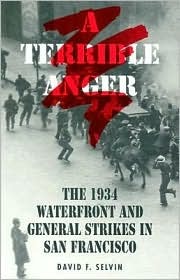
Thus, in the half-decade following the war, the shipowners and waterfront employers swept the docks and ships clear of unions, taking total, unilateral control of employee relations and job conditions. In the decade or more ahead, they exercised that dominance through employment systems stripped of employee input, pressed by unending mechanization, and driven by an insatiable demand for production and profit. From these years, the employers reaped the "terrible anger" that honed the issues, the tactics, and the goals that would surface explosively in the summer of 1934.