
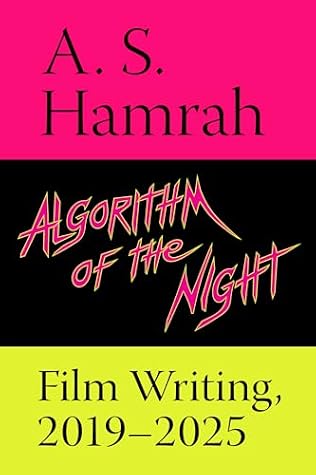
by
A S Hamrah
It’s important to remember that even as Hollywood was ignoring Lynch, much of the mainstream, middlebrow critical establishment in the US was also disparaging his work. It wasn’t just that it was too weird. It elicited really hateful reactions from Siskel & Ebert, among others. At the New Yorker, one of the film critics instantly dismissed Twin Peaks: The Return as soon as the first episode ended, tweeting that Lynch had been superseded by Wes Anderson, and their TV critic simply refused to watch it, while at the same time insisting it was TV, not cinema. Even the highest-browed American, Fredric Jameson, who died four months before Lynch, saw in his work some kind of threat, writing against him in Postmodernism, or, the Cultural Logic of Late Capitalism by calling his work “evil.” Just last summer, Phillip Lopate’s latest collection of his film criticism, My Affair with Art House Cinema, came out, and included a piece on the inadequacy of Mulholland Drive in which this dean of American film critics described Lynch as “prone to jejune self-indulgence, capricious phantasmagoria, and vulgarity.”
Such big, dismissive words! As for me, my mind was blown open by Blue Velvet when I saw it college-aged in first run in 1986 at the Nickelodeon Cinema in Boston with my then-girlfriend. We could not speak when we left the theater, so rattled were we by this terrifying new thing that had come into the world (the same summer and fall as Down by Law, She’s Gotta Have It, Big Trouble in Little China, and Something Wild). This filmic world of smashed TVs, diners, wood paneling, the ominous hum of electricity, and rose-pink wall-to-wall carpeting was not, as some viewers may now think, an alien place. It was the actual America of that time, put on screen by David Lynch in a way no one had ever seen before.
:)