
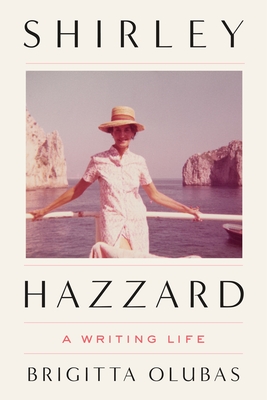
In the spring of 1963 Shirley was working on her first novel, set in Italy, a tale of romantic love eclipsed by its own waning. The Evening of the Holiday was contracted to Macmillan and Knopf after publication in full in The New Yorker: “On Monday I took my piece of writing to Bill [Maxwell] … and was no sooner home than he telephoned to say he Loves It … Having the thing finished is a tremendous weight off me—it was one of the hardest things I ever had to write … partly because it is a piece about happiness, deliverance etc, and it is harder to elaborate happiness than grief—happiness speaks for itself.” The middle section of the novel, when Sophie and Tancredi reach an equilibrium and accept the chance to love, is the first such moment in her writing. Her earlier stories had chronicled the inevitable pain and the perplexities of love; now she was finding herself confronted with the possibility of reciprocity, lives and hearts coinciding, and had begun to write of that. Over the coming months, in the shadow of ever-shifting relations with Francis, she would compose the later sections of the novel, tracing love’s almost inexplicable decline, itself overtaken by the death of Sophie’s aged aunt.