
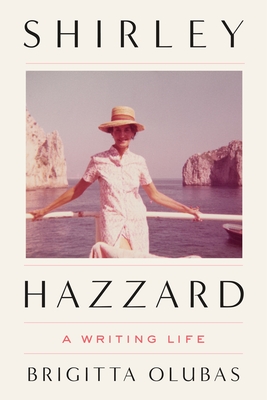
Shirley Hazzard embarked early on a project of self-cultivation and self-creation through extensive and passionate reading. Throughout her adult life she mixed in elevated cultural circles, seeking out people to admire and learn from. This all culminated, in a way, in her marriage in 1963 to Francis Steegmuller, a marriage described by their friend the poet and translator Richard Howard as “a conjugal version of literary high life.” Francis was significantly older than Shirley. He had lived through the exhilarating years of the American “discovery” of Paris and of European art in the interwar years. He was a biographer and translator, an independent scholar with a private income and a private art collection, qualities he would lend to Transit’s Adam Vail: “He had lent the picture, which belonged to him.” The Steegmullers were close in sensibility and temperament and were devoted to each other. Shirley delighted in the worlds her marriage opened up for her, but the marriage was also, importantly, daily, intimate, practical. Francis helped her manage the tribulations—which were considerable—of her mother, and in his later years, as his memory began to fail, she set her own writing aside to care for him, helping him write his last books. He had been married before, happily, for thirty years to a wealthy amateur painter, Beatrice Stein Steegmuller, and he brought not just financial security. When Shirley first met him, she thought “he looked like a person who had learnt, who had suffered and learnt and who had enjoyed life in a very deep way. There was a lot to be seen in his face.”
queen