
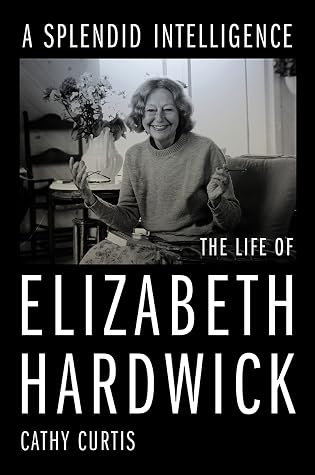
by
Cathy Curtis
Turning to the teaching of writing, Elizabeth said that rather than help students revise their work, she preferred “to stimulate a whole questioning of the process, how you go about it, and what’s worth writing, and what’s being written.” She looked for students who read all the time, discussed books, and thought about literature “as a philosophical and moral question.” She lacked sympathy with students who “think short stories are written out of sensation and feelings,” which are, she said, among “the most difficult things to make real in literature.”
cool