
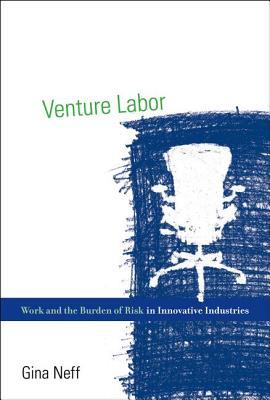
by
Gina Neff
The dot-com crash also shows how people revert to a lens of individual experience to explain changes to economic structures. For people in Silicon Alley, their aspirations were quite different from the notions of the “American Dream” for a previous generation—they valued creative and economic freedom, independence, and making an impact. They framed economic success and failure using very individual terms when talking about their careers, constructing narratives of individual choice and responsibility to represent their particular economic consequences. Even though observers laid the blame for the crash on speculative capitalism, people in Silicon Alley represented their economic situations as something personal and something over which they had control. Taken together, these narratives present the recurring theme that success in the new economy is based on taking chances and making lucky choices—as opposed to, say, hard work, determination, loyalty, or a multitude of other possible narratives about economic success. People working in Silicon Alley may have overestimated or misrepresented their chances at success, however they defined it. They may have had incomplete information or misjudged their personal capacity to affect change within their companies. These valuations worked together to help create a situation in which economic growth seemed inevitable, but people blamed themselves for not being savvy enough when that turned out to be false. In this sense, I don’t mean to argue that people are necessarily driven solely by logics of economic rationality, but rather that this notion of choice became a powerful way that active agents turned away from looking at other structural positions and possibilities for success and failure. Rather than placing blame on the economy or the stock market, people blamed themselves, suggesting on some level that they thought that they might be able to outwit the market.